Category: Email Marketing

Learn different ways you can grow your business or website via email marketing, Email Marketing Tips, Email Marketing Ideas, Email Marketing Strategies, Build Your Audience and generate more traffic to your website.

  • Lead Nurturing Email Marketing: Level Up Your Sales Funnel Strategy

    Lead Nurturing Email Marketing: Level Up Your Sales Funnel Strategy

    As a marketer, lead generation is a vital aspect of your job. But it’s not enough to simply collect email addresses; you need to nurture those leads to convert them into customers. Lead nurturing is the process of building relationships with your prospects through targeted, personalized communication. One of the most effective ways to do this is through email marketing. In this article, we’ll explore the key basic things you should know about Lead Nurturing Email Marketing.

    Introduction

    Email marketing is an important part of any successful sales funnel strategy. It’s the main way to nurture leads and turn them into paying customers.

    But there’s more to email marketing than just sending out a few emails hoping they’ll convert. You need to take a more strategic approach, learning the ins and outs of how lead nurturing email marketing works, in order to maximize your success.

    That’s where this guide comes in! In this post, we’ll discuss how you can use lead nurturing email marketing in order to level up your sales funnel strategy. We’ll go into detail on what lead nurturing is, why it’s important, and how you can make sure your lead nurturing emails are effective.

    What Is Lead Nurturing Email Marketing?

    Lead nurturing email marketing is a type of email marketing that is strategically designed to build relationship with potential customers over time. It is based on the idea that customers require different levels of communication and education before they will be ready to make a purchase.

    The goal of lead nurturing emails is to provide value in each communication and foster long-term relationships between prospects and your business. By consistently providing valuable content, you can create trust and nurture leads until they are ready to make a purchase.

    With lead nurturing emails, you can target prospects with a series of automated emails sent out on scheduled intervals, or triggered by certain actions taken by the lead. This helps ensure that your prospects receive consistent content throughout the customer journey—from initial awareness all the way through the purchase decision.


    Understanding Your Sales Funnel

    Before we dive into the specifics of lead nurturing email marketing, it is important to understand what a sales funnel is, and how leads move through it. 

    A sales funnel is a conceptual model that illustrates the customer journey, from discovery to purchase. It consists of several stages, usually beginning with awareness and ending with purchase.

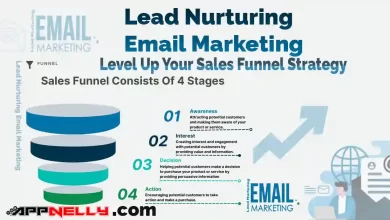
    To effectively nurture leads, it is essential to understand the sales funnel and its different stages. The sales funnel consists of four stages

    • Awareness

    At this stage, prospects are not yet aware of your brand or product. Your goal is to make them aware of your brand and what you have to offer.

    • Interest

    Once prospects are aware of your brand, your goal is to generate interest in your product or service. You need to provide them with relevant and valuable information to move them to the next stage.

    • Decision

    At this stage, prospects are considering purchasing your product or service. You need to provide them with the information they need to make a decision.

    • Action

    At this stage, prospects are ready to make a purchase. Your goal is to convert them into paying customers.

    There are various strategies at each stage of the funnel. To identify which stage each lead is in, you need to consider the amount of engagement they demonstrate. For example, someone in the Awareness stage may have visited your website but not signed up for your newsletter or product demos.

    Once you know where each lead is in their journey, you can start to move them down the funnel using specific tactics such as lead nurturing campaigns or loyalty programs. 

    Utilizing a combination of these strategies will help build relationships with potential customers and encourage them further down the sales funnel.


    Building Your Lead Nurturing Email Strategy

    Consider the following when building your Lead Nurturing Email Strategy:

    • Establish Your Goals

    Identify the characteristics of your ideal customer and establish the objectives you aim to accomplish from your email campaigns – this could include increasing customer loyalty, generating more brand awareness or driving more sales.

    • Identify Your Content

    Design email content that is tailored to each stage of your sales funnel – from purchase intent to post-sales follow up. Ensure that your content is relevant and engaging for each customer stage, so as to maximize engagement and drive conversions.

    • Test Your Content

    Test different content variations in order to identify what resonates best with the customer – this could include A/B testing subject lines, copy length or even call-to-actions (CTAs). You can also use data such as open rates, click rates and website visits to determine which content performs best.

    • Analyze & Optimize

    Analyze the performance of your lead nurturing emails using metrics such as open rate, click rate and conversion rate. Make necessary optimizations based on the data collected in order to maximize results.


    Crafting Your Lead Nurturing Email Messaging

    Crafting the right message in your lead nurturing email is essential if you want to convert leads into customers. The emails should be engaging and educational, providing helpful information about your brand and products. Here are a few tips to help craft the perfect lead nurturing emails:

    • Choosing an Appropriate Platform

    The first step is to choose an appropriate email marketing platform. There are a variety of options available, so take some time to research which one best meets your needs. Look for features such as email list segmentation, automation, lead scoring, and analytics capabilities.

    • Creating Engaging Content

    Once you have chosen a platform, it’s time to create content that resonates with your target audience. Be sure to keep the content focused on educating rather than selling; the goal should be to provide useful information that helps leads make an informed decision about your product or service.

    • Segmentation & Personalization

    Segmenting your audience into targeted groups will help make sure that you’re sending relevant content at the right time. Utilize personalization techniques such as using subscribers’ names in the subject line and including specific details about their interests or demographics in the body of the email.

    • Timing & Frequency

    Timing is key when it comes to lead nurturing emails; send emails at optimal times during the day when people are most likely to open them. Also consider how often you should be sending emails; too many can overwhelm subscribers and result in unsubscribes, while too few can leave potential customers feeling neglected or forgotten.


    Automating Your Lead Nurturing Campaigns

    Automating lead nurturing campaigns is essential for modern businesses. Not only does it save time and resources, but it also allows you to tailor your messages to each individual. Automation can help you stay competitive by giving you access to more leads than ever before.

    With automated lead nurturing, you can:

    1. Reach out to more leads quickly and efficiently
    2. Personalize messages to each customer based on their behavior
    3. Monitor lead behavior in real-time
    4. Track outcomes and measure success
    5. Tailor messages to segmented audiences
    6. Optimize campaigns throughout the lifecycle

    Popular automation tools like HubSpot, Mailchimp, and Constant Contact provide ready-made templates and shortcodes that make setting up automated campaigns easy and effective. They offer analytics tools that can track customer engagement and conversion rates, so you can make data-driven decisions about your content and marketing strategies in real-time.


    Examples of Lead Nurturing Emails

    Before we dive into the examples, let’s first recall what lead nurturing emails are. Simply say, these are emails designed to educate, inform, and engage leads over time. The goal is to build trust & credibility, and ultimately, persuade the lead to take action (i.e., make a purchase).

    The following are five examples of Lead Nurturing Emails

    • Welcome Emails

    The first email you send to a new lead is critical. It sets the tone for your future communications and can determine whether the lead engages with your brand or not. A welcome email should be warm and friendly, thanking the lead for subscribing and introducing them to your brand. It should also provide a clear next step, such as visiting your website or downloading a free resource.

    • Educational Emails

    Educational emails are designed to provide value to the lead by educating them about your industry or product. These emails can include blog posts, videos, or other content that your lead would find interesting or useful. The key is to provide value without being overly promotional.

    • Product-focused Emails

    Product-focused emails are more direct than educational emails, as they focus specifically on your product or service. These emails can include product demos, case studies, or customer testimonials. The goal is to show the lead how your product can solve their problem or meet their needs.

    • Re-engagement Emails

    Not all leads will engage with your brand immediately, and some may lose interest over time. Re-engagement emails are designed to bring those leads back into the fold. These emails should be personalized and highlight the value your brand can provide. You can also include a special offer or discount to incentivize the lead to take action.

    • Abandoned Cart Emails

    Abandoned cart emails are a specific type of re-engagement email designed to win back customers who have abandoned their shopping cart. These emails should remind the lead of the products they left behind and provide an incentive to complete their purchase (such as free shipping or a discount).


    Measuring and Optimizing Your Results

    When it comes to measuring and optimizing your lead nurturing email campaigns, there are several key metrics that you should be tracking. Whether you are using a simple tracking system or a more advanced analytics platform, these metrics can provide valuable insights into the performance of your campaign.

    Key Metrics to Track in Lead Nurturing Email Marketing

    The most important metrics to track include:

    • Open rate: This measures how many people opened your emails after receiving them. A high open rate indicates that your subject lines and content is resonating with your subscribers.
    • Click-through rate (CTR): This measures how many readers clicked through links in your emails to visit the landing page or website associated with the campaign. A high CTR indicates that users were interested enough in the content of your email to click and explore further.
    • Conversion rate: This measures how many people completed a desired action after clicking through from an email, such as making a purchase or downloading an app. A high conversion rate is indicative of successful campaigns.
    • Bounce Rate: This is the percentage of emails that were undeliverable and returned to the sender. A high bounce rate can indicate issues with your email list or email content.
    • Unsubscribe Rate: This is the percentage of people who unsubscribed from your email list after receiving your email. A high unsubscribe rate may indicate that your email content or frequency is not resonating with your audience.

    Analyzing Your Data

    Once you have collected data, it’s important to analyze it in order to gain meaningful insights about what’s working and what isn’t in relation to each of the key metrics mentioned above. You should compare results from different campaigns over time and try to identify trends in order to determine which strategies are most effective for achieving desired goals.

    By measuring and analyzing lead nurturing email marketing results, marketers like you can effectively optimize their campaigns for maximum success—from improving response rates to boosting sales performance.


    Conclusion

    Effective lead nurturing emails are critical to converting leads into customers. lead nurturing email marketing is an essential part of a successful sales funnel strategy. By leveraging the powerful capabilities of marketing automation, you can create an effective, highly-targeted lead nurturing process that increases customer engagement and drives conversions. By leveraging the insights from lead scoring, you can also create tailored email sequences that are most likely to resonate with your target customers. Furthermore, by automating the lead nurturing process, you can free up your time and resources to focus on building relationships with customers and creating a positive customer experience. So, take the next step and start leveraging lead nurturing email marketing to level up your sales funnel strategy today.

  • Batch Email Marketing: Everything you need to know

    Batch Email Marketing: Everything you need to know

    Batch email marketing is a type of email marketing strategy that involves sending a large number of emails to a group of subscribers at once. 

    Introduction:

    In today’s digital age, email marketing remains a crucial aspect of any successful marketing strategy. However, sending out mass emails can quickly become overwhelming without proper planning and execution. This is where batch email marketing comes in.

    Batch email marketing refers to sending a large number of emails to a specific group of recipients in one go. It can be an effective way to reach your target audience, increase engagement, and ultimately drive revenue for your business.

    In this ultimate guide, we will take you through everything you need to know to successfully execute a batch email marketing campaign. From preparing your email list and designing effective emails to automating your campaigns and measuring the success of your campaigns. So, let’s dive in and learn how to take your email marketing game to the next level.

    What is batch email marketing?

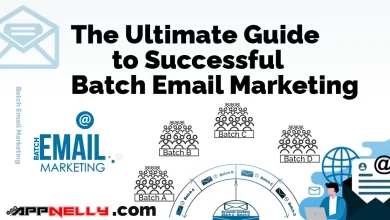
    Batch email marketing is the process of simultaneously sending a large number of promotional emails to a pre-selected list of email addresses.

    The term “batch” refers to the fact that the emails are sent out in groups or batches, rather than sending it individually or in smaller quantities.

    Definition of batch email marketing

    Batch email marketing is or may be defined as a type of email marketing that involves sending a large number of emails to a group of subscribers at once. This group of subscribers are usually segmented based on demographics, behavior, or interests. Batch email marketing is a cost-effective way for businesses to communicate with their customers and promote their products or services.


    what is the difference between batch email marketing and bulk email marketing?

    Batch email marketing and bulk email marketing share the characteristic of sending a high volume of emails to a set of recipients. However, there is a subtle difference between the two terms.

    Batch email marketing refers to sending a large number of targeted emails to a specific list of recipients all at once, usually in response to a specific event or promotion. The recipients on the list have typically given permission to receive emails from the sender, and the emails are tailored to their interests or needs.Bulk email marketing, on the other hand, refers to sending a large number of emails to a broad audience, usually without targeting or tailoring the content to specific individuals. The recipients on the list may or may not have given permission to receive emails from the sender, and the emails are usually not personalized or tailored to the recipients’ interests.
    In summary, batch email marketing is a more targeted and personalized approachwhile bulk email marketing is a more general and broad approach.
    table showing the difference between batch and bulk email marketing

    Importance of batch email marketing in digital marketing

    Batch email marketing is an important aspect of digital marketing as it allows businesses to reach a large number of customers with targeted and personalized messages. By sending a batch of emails to a segmented list of subscribers, businesses can efficiently communicate their brand message, promote products or services, and drive traffic to their website.

    Batch email marketing is cost-effective, as it doesn’t require a large budget to create and send emails. It also provides valuable insights into customer behavior and preferences through email analytics, allowing businesses to optimize their campaigns and improve their overall marketing strategy.

    Furthermore, batch email marketing helps to build and maintain relationships with customers by providing them with relevant and engaging content. This can lead to increased customer loyalty, higher engagement rates, and ultimately, increased sales and revenue for the business.

    Benefits of using batch email marketing for businesses

    Benefits of using batch email marketing for businesses- appnelly - appnelly

    Batch email marketing offers several benefits to businesses and these benefits are similar to what you might have seen in our previous related posts. They include the following:

    1. Cost-effective: Batch email marketing is a cost-effective way for businesses to reach out to their customers and promote their products or services.
    2. Increased ROI: Batch email marketing offers a high return on investment compared to other marketing channels.
    1. Personalization: Batch email marketing allows businesses to personalize their messages based on the subscriber’s interests, behavior, and demographics.
    1. Targeted marketing: By segmenting subscribers based on their interests, behavior, and demographics, businesses can send targeted marketing messages that are more likely to convert.
    1. Improved customer retention: By staying in touch with their customers through batch email marketing, businesses can improve their customer retention rates.
    1. Increased website traffic: Batch email marketing can drive traffic to a business’s website by including links to their website in the email messages.
    1. Increased sales: By promoting their products or services through batch email marketing, businesses can increase their sales and revenue.
    1. Improved customer engagement: Batch email marketing can improve customer engagement by providing valuable content and promotions to subscribers.
    1. Increased customer lifetime value: By keeping their customers engaged through batch email marketing, businesses can increase their customer lifetime value. Customers who receive targeted and personalized emails are more likely to make repeat purchases and become loyal customers.
    1. Builds brand credibility: Batch email marketing helps businesses establish themselves as experts in their field by providing valuable content to their subscribers. This builds trust and credibility with their audience, making them more likely to do business with the company.

    Preparing for Batch Email Marketing Campaign

    Before diving into any email campaign, it is important to take the time to prepare and plan out your approach. In this section, we will discuss the key steps to take when preparing for a batch email marketing campaign.

    The key steps for preparing a batch email marketing campaign are:

    Step 1.  Identifying target audience:

    The first step in preparing for a successful batch email marketing campaign is to identify your target audience. Who are the people you want to reach with your email campaign? What are their interests, demographics, and behaviors? By understanding your audience, you can tailor your email campaign to their specific needs and preferences.

    Step 2.  Creating email lists and segmentation

    Once you have identified your target audience, the next step is to create email lists and segmentation. Email lists are a collection of email addresses that you can use to send your emails to. Segmentation is the process of dividing your email list into smaller groups based on certain criteria, such as interests or purchase history. This allows you to send more targeted and personalized emails to each group, increasing the chances of conversion.

    Step 3.  Setting email campaign goals

    Before launching any email campaign, it is important to set clear goals and objectives. What do you want to achieve with your email campaign? Do you want to drive sales, increase brand awareness, or encourage customer engagement? Setting clear goals will help you measure the success of your email campaign and make adjustments as needed.

    Step 4.  Selecting email marketing software or Platform

    The final step in preparing for a batch email marketing campaign is selecting the right email marketing platform or software. There are many email marketing tools available, each with its own set of features and benefits. Look for a tool that offers easy list management, email design templates, automation features, and detailed analytics to help you measure the success of your campaign.


    Designing Effective Emails

    Batch email marketing campaigns rely heavily on the design of the emails being sent. The way an email is designed can greatly impact whether it is opened, read, and acted upon. Therefore, it is important to follow best practices for email design.

    The best practices for an effective email design:

    1. Firstly, it’s important to note the importance of a clean and professional email design because a cluttered or unprofessional email design can be off-putting to recipients and decrease the likelihood of engagement. To ensure a professional look, consider using pre-made email templates that can be customized to fit your brand.
    However, if you’re a pro, you can create your professional email design from scratch while applying best practices.

    2. Personalization is another key factor in email design. By addressing recipients by name and tailoring the content of your email to their interests, you can increase the chances of engagement and conversions. Segmenting your email lists based on demographics, interests, and previous interactions with your brand can help in achieving this level of personalization.

    3. The subject line and preheader are the first things a recipient will see when they receive your email, so they should be attention-grabbing and relevant.
    Keep them short and to the point, and consider including a call to action to encourage recipients to open the email.
    When it comes to writing the content of the email, it’s important to focus on engaging the recipient and providing value. Highlight the benefits of your product or service and address pain points that your audience may be experiencing. Use clear and concise language, and be sure to include a call to action that is easy to follow.

    4. Finally, incorporating images and videos in your emails can increase engagement and make your content more visually appealing. However, it’s important to ensure that they are high quality and relevant to the content of the email.


    Automating Batch Email Marketing Campaigns

    Automating Batch Email Marketing Campaigns - appnelly - appnelly

    Batch email marketing campaigns can be time-consuming and require a lot of effort, especially if you have a large audience. This is where automation comes in handy. Automating your email campaigns not only saves time but also ensures consistency and accuracy. 

    To set up automated email workflows, you will need to choose an email marketing software or platform that supports automation. Most email marketing software providers offer automation features, but the level of automation will vary.

    Some basic features to look for include the ability to schedule emails and segment your audience based on specific criteria. More advanced features include triggered emails, lead scoring, and advanced segmentation.

    The Benefits of automation in batch email marketing

    Here are some benefits of automation in batch email marketing:

    1. It saves time and effort: Automating your email campaigns frees up your time to focus on other important aspects of your business. You can schedule your emails in advance and they will be sent automatically at the designated time.

    2. Consistency: With automated email workflows, you can ensure that your subscribers receive a consistent stream of emails at regular intervals. This helps to keep your brand top of mind and encourages engagement with your content.

    3. Accuracy: By setting up automated email workflows, you can reduce the risk of human error. This ensures that your subscribers receive the right emails at the right time, which can improve engagement and conversions.

    4. Triggered Emails: Triggered emails are a type of automated email that is sent in response to a specific user behavior or event. For example, if a subscriber abandons their cart on your e-commerce website, you can send them an automated email reminding them of the items they left behind. This can help to increase conversions and revenue.

    Overall, automation can help to streamline your batch email marketing campaigns, improve consistency and accuracy, and increase engagement and conversions. By setting up automated workflows, you can save time & effort and ensure that your subscribers receive the right messages at the right time.

    To learn more about Automation in Email Marketing you should read our previous post: Automated Email Marketing: Everything you need to know


    Measuring and Analyzing Batch Email Marketing Campaigns

    Measuring the success of your batch email marketing campaign is crucial in determining its effectiveness and improving future campaigns. 

    The Key Points to Consider in Measuring and Analyzing Batch Email Marketing Campaigns

    Here are the key points to consider:

     1. Identifying key performance indicators (KPIs) for email marketing:

    Before launching a batch email marketing campaign, it is essential to identify key performance indicators (KPIs) that align with your campaign goals. These can include open rates, click-through rates, conversion rates, revenue generated, engagement rates, and customer retention rates.

    2. Tracking email open and click-through rates:

    Open rates and click-through rates are the most commonly tracked KPIs for batch email marketing campaigns. Open rates measure the percentage of emails opened by recipients, while click-through rates measure the percentage of recipients who clicked on a link within the email. Tracking these metrics allows you to gauge the effectiveness of your email subject lines, content, and call-to-actions.

     3. Analyzing conversion rates and revenue generated:

    Conversion rates measure the percentage of recipients who completed a desired action after clicking through to your website or landing page. These actions can include making a purchase, filling out a form, or downloading a resource. Measuring conversion rates and revenue generated can help you determine the ROI of your email marketing campaign and optimize future campaigns.

    4. Measuring engagement and customer retention rates:

    Engagement rates measure how recipients interact with your emails, such as forwarding or replying to them. Customer retention rates measure how many recipients continue to engage with your brand after the initial interaction. These metrics can provide valuable insights into the effectiveness of your email content and overall email marketing strategy.

     5. Using data to improve future email campaigns:

    Analyzing the data collected from your batch email marketing campaign can provide valuable insights into your audience’s behavior and preferences. This information can be used to optimize future campaigns, such as refining email content, segmenting your email list, or adjusting the frequency of your emails.

    In summary, tracking and analyzing key performance indicators is crucial in measuring the success of your batch email marketing campaign and improving future campaigns. By using data to inform your email marketing strategy, you can create more effective and targeted campaigns that resonate with your audience.


    Best Practices for Successful Batch Email Marketing Campaigns

    Best Practices for Successful Batch Email Marketing Campaigns - appnelly - appnelly

     Successful batch email marketing campaigns require a well-planned strategy and continuous improvement. 

    Here are some best practices to keep in mind:

     1. Creating a Strong Email Marketing Strategy

    Before launching a batch email marketing campaign, it is important to have a strong email marketing strategy in place. This includes defining your target audience, setting clear goals, and determining the types of emails you will send.

    2. A/B Testing Email Campaigns

    A/B testing involves creating two versions of an email and sending each version to a small group of subscribers to see which performs better. This allows you to optimize your emails and improve their effectiveness.

    3. Continuously Refining Email Lists and Segmentation

    Regularly refining your email lists and segmentation is crucial for ensuring that your emails are reaching the right people. This involves removing inactive subscribers, segmenting your lists based on user behavior, and personalizing your emails.

    4. Maintaining Email List Hygiene and Compliance with Anti-Spam Laws

    Maintaining email list hygiene involves regularly removing inactive subscribers, removing invalid email addresses, and respecting subscriber preferences. Compliance with anti-spam laws is also crucial for ensuring that your emails are not marked as spam.

    5. Staying Up to Date with Email Marketing Trends and Best Practices

    Email marketing is constantly evolving, so it is important to stay up to date with the latest trends and best practices. This includes keeping up with changes in email marketing software, as well as staying informed about new email marketing strategies and tactics.


    Conclusion

    In conclusion, successful batch email marketing requires careful planning, effective design, and continuous analysis and refinement. By following the tips outlined in this guide, you can prepare for and execute successful email campaigns that resonate with your target audience. 

    Remember to always focus on creating effective email designs, automating your campaigns where necessary, measuring and analyzing your results, and following best practices to stay compliant with anti-spam laws. With these tips in mind, you can take your batch email marketing efforts to the next level and see real results for your business.

    Recap of the Preparation, Design, Automation and Measurment in Batch Email Marketing

    To ensure the success of your batch email campaign, it is essential to properly prepare by taking a few important steps. These steps include identifying your target audience, creating email lists and segments, setting campaign objectives, and selecting the appropriate email marketing software or platform.

    Crafting impactful emails involves several crucial elements such as thoughtful email design, personalization, creating compelling subject lines and preheaders, writing an engaging email content, and incorporating relevant images and videos. Each of these elements equally plays an important role in the success of an email campaign.

    By automating your batch email campaigns, you can optimize your email marketing strategy, save your valuable time, and effectively deliver personalized messages to your subscribers. This approach not only streamlines the process but also ensures that your audience receives relevant and timely content, resulting in higher engagement rates.

    Measuring and analyzing key performance indicators, such as open rates, click-through rates, conversion rates, revenue generated, engagement, and customer retention rates, allows you to refine your campaigns and improve future email marketing efforts.

    Final Tips for Successful Batch Email Marketing

    To ensure that your batch email marketing campaigns are successful, it is important to continuously refine your email lists and segmentation, maintain email list hygiene, and stay compliant with anti-spam laws.

    Creating a strong email marketing strategy, conducting A/B testing of your email campaigns, and staying up to date with email marketing trends and best practices can help you to achieve your email marketing goals.

    By following these tips, you can create effective batch email marketing campaigns that help you to connect with your subscribers, build relationships, and grow your business.


    FAQ

    Frequently Asked Questions on this Topic

    We’ll answer some of the questions that some of you might want to ask about batch email marketing. However, if you have a question on this topic not already answered below, please kindly leave it in the comment.

    What is batch email marketing?

    Batch email marketing is a marketing technique that involves sending a large number of promotional emails to a group of people at the same time.

    What is the purpose of batch email marketing?

    The purpose of batch email marketing is to promote products, services, or events to a targeted audience, with the aim of generating leads and conversions.

    How do I identify my target audience for batch email marketing?

    To identify your target audience for batch email marketing, you need to research your customers’ demographics, interests, behaviors, and purchasing habits. This information can be obtained through surveys, social media analytics, and customer data analysis.

    How do I create email lists for batch email marketing?

    To create email lists for batch email marketing, you can collect email addresses through website opt-ins, social media ads, in-store signups, or purchased lists. It’s important to ensure that the email addresses are opt-in and have given consent to receive your emails.

    What is email segmentation and why is it important in batch email marketing?

    Email segmentation is the process of dividing your email list into smaller groups based on shared characteristics. It’s important in batch email marketing because it allows you to tailor your messaging to specific groups, increasing the chances of engagement and conversions.

    How do I set email campaign goals for batch email marketing?

    To set email campaign goals for batch email marketing, you need to identify the key performance indicators (KPIs) that align with your overall marketing objectives. These KPIs can include email open rates, click-through rates, conversions, and revenue generated.

    What are the best email marketing software options for batch email marketing?

    Some popular email marketing software options for batch email marketing include:

    Option 1. Email Marketing Platforms such as Mailchimp, ActiveCampaign, ConvertKit,  Constant Contact, Campaign Monitor, and HubSpot etc.

    Option 2. By using any of the Best Email Marketing Plugins for WordPress.

    Option 3. By using any of the PHP Scripts for Email Marketing.

    How important is email design in batch email marketing?

    Email design is crucial in batch email marketing because it influences the recipients’ first impression of your brand and can impact the likelihood of engagement and conversions.

    What are the best practices for email design in batch email marketing?

    Best practices for email design in batch email marketing include using a clean layout, mobile-responsive design, clear call-to-action, and visually appealing images.

    How can I personalize my batch emails?

    You can personalize your batch emails by addressing the recipient by name, including personalized content based on their interests or past purchases, and segmenting your email list to target specific groups.

    What are subject lines and preheaders in batch email marketing?

    Subject lines and preheaders are the first lines of text that recipients see in their inbox before opening the email. They should be attention-grabbing, clear, and relevant to the content of the email.

    How can I write engaging email content for batch email marketing?

    You can write engaging email content for batch email marketing by providing value to the recipient, using storytelling, being concise, and using a conversational tone.

    How can images and videos be used in batch email marketing?

    Images and videos can be used to visually enhance the email content, showcase products or services, and provide entertainment or educational value to the recipient.

    What are the benefits of automation in batch email marketing?

    Automation can save time and resources, increase efficiency and consistency, and allow for personalized and targeted messaging based on user behavior.

    How do I set up automated email workflows for batch email marketing?

    You can set up automated email workflows by identifying the triggers that initiate the email sequence, mapping out the sequence and content, and testing and optimizing the workflow.

    What are triggered emails and how can I use them in batch email marketing?

    Triggered emails are automated emails that are sent in response to specific actions taken by a user on your website or within your email, such as signing up for a newsletter, making a purchase, abandoning a shopping cart or browsing certain products. These emails are triggered by the user’s behavior and are designed to provide relevant information or encouragement to complete an action.

    To use triggered emails in batch email marketing, you will need to set up automated email workflows that send triggered emails based on user behavior. For example, if a user abandons a shopping cart, you can set up an automated email workflow that sends a reminder email with a discount code to encourage them to complete their purchase.

    When setting up triggered emails, it’s important to ensure that your messages are timely, relevant, and engaging. This may involve personalizing the content of each message based on the subscriber’s behavior or preferences, or using dynamic content to display different offers or products based on the subscriber’s interests. By tailoring your messages to each subscriber, you can create a more personalized and engaging experience that is more likely to drive conversions and build brand loyalty.

    What is the best time to send batch emails?

    The best time to send batch emails can vary depending on your audience and their habits. It’s important to test different send times and track the open and click-through rates to determine what works best for your email list. Generally, weekdays and mid-morning to early afternoon tend to be optimal times for batch email sending.

    How often should I send batch emails?

    The frequency of batch email sending depends on the content and goals of the campaign, as well as the preferences of the email subscribers. It’s important to strike a balance between staying top-of-mind and not overwhelming subscribers with too many emails. A good starting point is to send one to two emails per week, but this can be adjusted based on your metrics and subscriber’s feedback.

    What is A/B testing and how can it be used in batch email marketing?

    A/B testing is a method of testing two different versions of an email (e.g: subject line, content, or call-to-action) to see which one performs better. A/B testing can be used in batch email marketing to optimize the email campaigns and increase engagement and conversions. It’s important to only test one variable at a time and to track the metrics closely to determine the winner.

    How can I maintain email list hygiene for batch email marketing?

    Maintaining email list hygiene is crucial for batch email marketing to ensure that emails are delivered to active and engaged subscribers. You can maintain email list hygiene by regularly removing inactive subscribers, validating email addresses, and avoiding purchasing email lists. It’s also important to comply with anti-spam laws and provide clear opt-out options for subscribers.

    How can I improve email open rates in batch email marketing?

    You can improve email open rates in batch email marketing by using attention-grabbing subject lines, personalization, segmentation, and timing. It’s also important to ensure that the emails are mobile-responsive, have a clear sender name, and are relevant to the subscriber’s interests.

    How can I improve email click-through rates in batch email marketing?

    You can improve email click-through rates in batch email marketing by providing clear and compelling call-to-actions, using engaging images and videos, and using a mobile-responsive design. It’s also important to ensure that the email content is relevant and valuable to the subscriber.

    How can I measure the success of my batch email marketing campaigns?

    You can measure the success of batch email marketing campaigns by tracking key performance indicators (KPIs) such as open rates, click-through rates, conversion rates, and revenue generated. It’s important to regularly analyze the metrics and use the data to optimize future email campaigns.

    How can I improve customer retention rates with batch email marketing?

    You can improve customer retention rates with batch email marketing by providing personalized and relevant content, using triggered emails based on user behavior, and providing value through exclusive offers and rewards. It’s important to maintain a positive and consistent brand image and to address customer feedback and concerns promptly.

    What are some common mistakes to avoid in batch email marketing?

    Some common mistakes to avoid in batch email marketing include:

    • Sending too many emails: Sending too many emails can lead to email fatigue and cause recipients to unsubscribe or mark your emails as spam. It’s important to find a balance and not bombard your audience with too many messages.
    • Neglecting list hygiene: Neglecting list hygiene can lead to a buildup of invalid or inactive email addresses, which can negatively impact your email deliverability and open rates. It’s important to regularly clean and update your email list to ensure it’s accurate and up-to-date.
    • Not segmenting your email list: Failing to segment your email list can result in generic messaging that doesn’t resonate with specific groups of recipients. Segmenting your list allows for more targeted and personalized messaging that can lead to higher engagement and conversions.
    • Ignoring anti-spam laws: Ignoring anti-spam laws can result in legal consequences and damage to your brand’s reputation. It’s important to ensure that your email campaigns comply with these laws, including obtaining consent from recipients and providing an easy way to unsubscribe.
    • Not testing your emails: Failing to test your emails before sending them can lead to formatting issues, broken links, and other technical problems that can negatively impact your campaign’s success. It’s important to test your emails on multiple devices and email clients before sending them out.
    • Not analyzing campaign performance: Neglecting to analyze your campaign’s performance can prevent you from identifying areas for improvement and optimizing future campaigns. It’s important to regularly track and analyze your email metrics to measure success and make data-driven decisions.

    What is email list hygiene?

    Email list hygiene refers to the process of regularly cleaning and maintaining an email list to ensure that it contains only valid and engaged subscribers. This includes removing invalid email addresses, unsubscribes, bounces, and inactive or unengaged subscribers. Maintaining a clean email list is crucial for email deliverability and sender reputation, which directly impacts the success of email campaigns. Poor list hygiene can result in higher bounce rates, lower open rates, and ultimately, lower conversions.

    What are anti-spam laws?

    Anti-spam laws are regulations designed to protect consumers from unsolicited or spam emails. These laws vary by country, but they generally require marketers to obtain explicit consent from recipients before sending commercial emails. They also typically require email senders to include an easy way for recipients to unsubscribe from future emails. Violations of anti-spam laws can result in significant fines and damage to sender reputation. It is important for marketers to understand and comply with anti-spam laws in order to maintain a positive relationship with their subscribers and avoid legal consequences.

    What are the examples of anti-spam laws?

    Anti-spam laws vary by country and the following are 5 examples with resources to learn more:

    CAN-SPAM Act: This law applies to all commercial email messages sent in the United States and requires senders to include accurate header information, a clear and conspicuous unsubscribe option, and a valid physical address. It also prohibits the use of deceptive subject lines and requires email senders to honor opt-out requests within 10 business days.

    The Federal Trade Commission provides a comprehensive guide to complying with the CAN-SPAM Act on their website: https://www.ftc.gov/tips-advice/business-center/guidance/can-spam-act-compliance-guide-business

    GDPR: The General Data Protection Regulation is a law that applies to all companies operating in the European Union and requires explicit and informed consent from recipients before sending them marketing emails. It also requires companies to provide individuals with the right to access, correct, and delete their personal data.
    The European Commission provides detailed information about the GDPR and its requirements on their website: https://ec.europa.eu/info/law/law-topic/data-protection_en

    CASL: The Canadian Anti-Spam Legislation applies to all commercial electronic messages sent to or from Canada and requires senders to obtain explicit consent from recipients before sending marketing emails. It also requires senders to include accurate contact information and a clear and conspicuous unsubscribe option.
    The Canadian Radio-television and Telecommunications Commission provides a guide to CASL compliance on their website: https://crtc.gc.ca/eng/internet/anti.htm

    Australian Spam Act: This law applies to all commercial emails sent in Australia and requires senders to obtain explicit consent from recipients before sending marketing emails. It also requires senders to include accurate contact information and a clear and conspicuous unsubscribe option.
    The Australian Communications and Media Authority provides information about the Spam Act and compliance on their website: https://www.acma.gov.au/spam-compliance-alerts

    Japan’s Act on Regulation of Transmission of Specified Electronic Mail: This law applies to all commercial emails sent in Japan and requires senders to obtain explicit consent from recipients before sending marketing emails. It also requires senders to include accurate contact information and a clear and conspicuous unsubscribe option.
    The Ministry of Internal Affairs and Communications provides information about the act and compliance on their website (in Japanese): https://www.soumu.go.jp/main_sosiki/joho_tsusin/security/dai-16-kihou/

    What is email KPIs?

    Email KPIs or Key Performance Indicators refer to the metrics that are used to measure the success of an email campaign. These metrics vary depending on the goals of the campaign, but some common email KPIs include open rate, click-through rate, conversion rate, unsubscribe rate, and revenue generated. By tracking these metrics, marketers can determine the effectiveness of their email campaigns and make data-driven decisions to optimize future campaigns for better performance.

  • Automated Email Marketing: Everything you need to know

    Automated Email Marketing: Everything you need to know

    Introduction

    In today’s fast-paced digital world, businesses need to stay connected with their customers and prospects through multiple touchpoints. One of the most effective ways to do this is through email marketing. However, sending emails to thousands of subscribers manually can be time-consuming and inefficient. That’s where automated email marketing comes in.

    Overview

    In this article, we will explore everything you need to know about automated email marketing, including its definition, the importance of using it for business growth, and an overview of the strategies and tools you can use to get started. So, whether you’re a small business owner or a marketing professional, this article will provide you with valuable insights and practical tips to enhance your email marketing campaigns.


    Automated Email Marketing

    The Definition of Automated Email Marketing

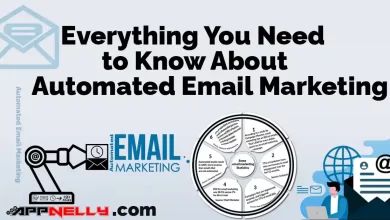
    Automated email marketing may be defined as the process of sending pre-written emails to subscribers based on predefined triggers and rules. 

    What is Automated Email Marketing?

    Automated email marketing refers to the process of using software/Application to send pre-written emails to subscribers based on predefined triggers and rules. 

    It involves setting up a series of automated emails that are sent to subscribers at specific times or in response to certain actions or behaviors, such as signing up for a newsletter, abandoning a cart, or making a purchase. 

    The goal of automated email marketing is to deliver timely and relevant content to subscribers, nurture relationships with them, and ultimately drive engagement and conversions. 

    By automating repetitive tasks and personalizing messages based on subscriber’s data, businesses can save time, improve efficiency, and deliver more targeted and effective email campaigns.

    Importance Of Automated Email Marketing in Business Growth

    The following among others is the10 Importance of automated email marketing:

    1. Automated email marketing saves time and resources: Automated email marketing can save businesses time and resources by automating repetitive tasks, such as sending welcome emails, abandoned cart reminders, and follow-up messages.
    1. It improves efficiency: Automated email marketing streamlines the email marketing process, making it more efficient and effective. Businesses can deliver timely and relevant messages to subscribers without the need for manual intervention.
    1. It increases engagement: Automated email marketing can help businesses increase engagement with subscribers by sending personalized and targeted messages based on their interests, behaviors, and preferences.
    1. It enhances customer experience: By delivering personalized and relevant content, businesses can enhance the customer experience, build trust, and strengthen relationships with their subscribers.
    1. It boosts revenue: Automated email marketing can help businesses boost revenue by promoting products and services to subscribers and driving conversions.
    1. It enables segmentation: Automated email marketing allows businesses to segment their email list based on subscriber data, such as demographics, behavior, and preferences. This enables businesses to send more targeted messages to specific groups of subscribers.
    1. It provides data insights: Automated email marketing provides businesses with data insights that can be used to optimize their email campaigns. Businesses can track open rates, click-through rates, conversion rates, and other metrics to gauge the effectiveness of their campaigns.
    1. It improves lead nurturing: Automated email marketing can help businesses improve lead nurturing by delivering timely and relevant content to subscribers at different stages of the customer journey.
    1. It increases brand awareness: By consistently sending messages to subscribers, automated email marketing can increase brand awareness and help businesses stay top of mind with their target audience.
    1. It enables personalization: Automated email marketing enables businesses to personalize messages based on subscriber data, such as name, location, and interests. This helps to create a more personalized and engaging experience for subscribers, increasing the likelihood of conversions.

    Benefits Of Automated Email Marketing

    Benefits Of Automated Email Marketing - Everything You Need to Know About Automated Email Marketing - appnelly - appnellycom

    There’re many benefits but we will explore 13 key benefits of automated email marketing and the reasons why it has become an essential part of any successful marketing strategy.

    The 13 benefits of automated email marketing are:

    1. Automated email marketing saves time and effort:
    • Because automated email marketing can be set up in advance and sent automatically, businesses can save time and effort on manual tasks.
    • Because automation can handle repetitive tasks, businesses can free up time for more strategic tasks that require human intervention.
    • Because automation can streamline workflows, businesses can improve efficiency and productivity.
    1. Its Personalization:
    • Because automated email marketing enables businesses to personalize their messages based on subscriber’s data.
    • Because personalized messages help subscribers feel seen and understood, they can improve customer loyalty and retention.
    • Because personalization can help businesses stand out in a crowded marketplace, it can help increase brand awareness and attract new customers.
    1. It improved customer retention:
    • Because automated email marketing can deliver relevant and timely messages, it can increase customer satisfaction and loyalty.
    • Because customer retention is more cost-effective than acquiring new customers, automated email marketing can help businesses save money and increase revenue.
    • Because loyal customers are more likely to refer their friends and family, automated email marketing can help businesses increase their customer base.
    1. It increases brand awareness:
    • Because automated email marketing keeps businesses top-of-mind with subscribers, it can increase brand recognition and awareness.
    • Because consistent messaging can build trust with subscribers, it can help establish a positive brand reputation.
    • Because email is a cost-effective marketing channel, automated email marketing can help businesses increase brand awareness without breaking the bank.
    1. It enhances customer experience:
    • Because automated email marketing can deliver personalized and relevant content, it can enhance the customer experience and build trust.
    • Because a positive customer experience can lead to customer loyalty, automated email marketing can help businesses increase retention rates.
    • Because a good customer experience can lead to positive word-of-mouth, automated email marketing can help businesses attract new customers.
    1. It improves lead nurturing:
    • Because automated email marketing can deliver timely and relevant content to leads, it can help move them further down the funnel towards conversion.
    • Because lead nurturing can help businesses increase their conversion rates, automated email marketing can help them achieve their revenue goals.
    • Because lead nurturing can help businesses build relationships with prospects, automated email marketing can help them establish trust and credibility.
    1. Its targeted messaging:
    • Because automated email marketing can segment email lists based on subscriber data, it can deliver more targeted messages that resonate with subscribers.
    • Because targeted messaging can increase engagement and conversions, automated email marketing can help businesses achieve their marketing goals.
    • Because segmentation can help businesses understand their audience better, automated email marketing can help them tailor their marketing strategy to their subscribers’ needs.
    1. It’s Cost-effective:
    • Because email marketing has a high return on investment, automated email marketing can help businesses achieve their marketing goals without breaking the bank.
    • Because email marketing is a scalable channel, automated email marketing can help businesses increase their reach without incurring high costs.
    • Because email marketing is measurable, automated email marketing can help businesses understand what’s working and what’s not so they can optimize their campaigns.
    1. It increases website traffic:
    • Because automated email marketing can include links to relevant content or promotions, it can drive website traffic and increase visibility.
    • Because website traffic can lead to conversions, automated email marketing can help businesses achieve their revenue goals.
    • Because website traffic can improve search engine optimization, automated email marketing can help businesses increase their online visibility.
    1. It improves customer feedback:
    • Because automated email marketing can facilitate customer feedback and engagement, it can provide businesses with valuable insights to improve their products or services.
    • Because customer feedback can help businesses understand their audience better, automated email marketing can help them tailor their marketing strategy to their subscribers’ needs.
    • Because customer feedback can help businesses improve customer satisfaction, automated email marketing can help businesses increase customer retention rates.
    1.  Its A/B testing for better optimization:
    • Because automated email marketing allows for A/B testing, businesses can experiment with different variables such as subject lines, content, and calls-to-action to optimize their campaigns.
    • Because A/B testing can help businesses understand what resonates best with their audience, automated email marketing can help them improve their overall marketing strategy.
    • Because A/B testing can lead to better open and click-through rates, automated email marketing can help businesses achieve higher conversion rates and ROI.
    1. It improves cross-selling and upselling:
    • Because automated email marketing can deliver targeted messages based on subscriber behavior, it can promote relevant products or services to increase cross-selling and upselling opportunities.
    • Because cross-selling and upselling can increase revenue per customer, automated email marketing can help businesses increase their bottom line.
    • Because cross-selling and upselling can increase customer satisfaction, automated email marketing can help businesses increase customer retention rates.
    1. Better tracking and analysis:
    • Because automated email marketing allows businesses to track subscriber behavior, it can provide valuable insights to improve their marketing strategy.
    • Because tracking and analysis can help businesses understand what’s working and what’s not, automated email marketing can help them optimize their campaigns for better results.
    • Because tracking and analysis can help businesses identify trends and opportunities, automated email marketing can help them stay ahead of the competition.
    1. It increases engagement:
    • Because automated email marketing can deliver relevant and timely messages, it can increase subscriber engagement and interaction.
    • Because engagement can lead to customer loyalty and retention, automated email marketing can help businesses build a strong customer base.
    • Because engagement can lead to positive word-of-mouth, automated email marketing can help businesses attract new customers.

    In summary, Automated email marketing helps businesses in many ways, like keeping customers loyal and increasing sales. By sending personalized and relevant emails, businesses can make their customers feel valued and build trust. Testing different messages can also help businesses improve their email campaigns and reach their marketing goals faster.


    Types of Automated Emails

    We’ll explore eight types of automated emails in the context of automated email marketing.

    Understanding these different types of automated emails can help businesses deliver personalized and relevant content to their subscribers, which can ultimately lead to higher engagement and conversions.

    The 8 Types of Automated Emails are:

    1. Drip Campaigns: These are automated email campaigns that are sent over time to nurture leads and guide them through the sales funnel, with the goal of converting them into customers.
    1. Triggered Emails: These are automated emails that are triggered by a specific action, such as a new subscriber joining your email list or a customer making a purchase.
    1. Behavioral Emails: These are automated emails that are triggered based on a subscriber’s behavior, such as clicking on a link or visiting a specific page on your website.
    1. Re-engagement Emails: These are automated emails that are sent to inactive subscribers to encourage them to re-engage with your brand and start opening your emails again.
    1. Welcome Emails: These are automated emails that are sent to new subscribers to introduce them to your brand and set expectations for future emails.
    1. Abandoned Cart Emails: These are automated emails that are triggered when a customer abandons their shopping cart and remind them of what they left behind.
    1. Post-Purchase Emails: These are automated emails that are sent after a purchase to thank the customer and provide additional information, such as related products or customer support.
    1. Upsell/Cross-sell Emails: These are automated emails that are sent to customers to encourage them to purchase additional products or services, based on their previous purchase history or browsing behavior.

    Automated email marketing can leverage a variety of automated email campaigns to engage with subscribers, nurture leads, and increase sales. By using targeted messaging and automation, businesses can deliver personalized and relevant content to their subscribers, which can ultimately lead to higher engagement and conversions.


    How to Create Effective Automated Email Campaigns

    How to Create an Effective Automated Email Campaigns - Everything You Need to Know About Automated Email Marketing - appnelly -

    Creating an effective automated email campaigns involves several important steps. 

    To create an effective automated email campaigns that engage your audience and drive results, consider applying the following steps

    1. Define your audience: To effectively engage your audience, it’s essential to first define your target audience. By understanding their demographics, behaviors, and interests, you can create personalized content that resonates with them. This targeted approach will help you to develop effective campaigns that are more likely to capture their attention and drive engagement.
    1. Set campaign goals: Identify the goals and objectives of your email campaign. Are you looking to drive sales, generate leads, promote brand awareness, or something else? Setting clear goals will guide the content and design of your emails.
    1. Choose an email marketing tool: There are many email marketing tools available to help you create and automate your campaigns. Choose a tool that fits your budget and offers the features you need, such as ease of use, email templates, automation workflows, and analytics.
    1. Create a compelling subject line: The subject line is the first thing that your audience will see, so it needs to be attention-grabbing and relevant. Use a clear and concise message that reflects the content of your email.
    1. Craft engaging content: Your email content should be relevant, informative, and engaging. Use images, videos, and other visual elements to make your emails visually appealing. Personalize your emails by addressing your audience by name and using segmentation to target specific groups. Incorporate persuasive call-to-actions to encourage recipients to take action.
    1. Use persuasive call-to-actions: using persuasive call-to-actions can help encourage recipients to take action and engage with your content.
    1. Automate your emails: Set up automation workflows that trigger emails based on specific actions or events. For example, you might send a welcome email to new subscribers, a reminder email to people who abandon their shopping cart, or a follow-up email to people who attended an event, et cetera.
    1. Test and optimize: Continuously test your email campaigns to see what works and what doesn’t. Use analytics to track open rates, click-through rates, and other metrics. Use this data to optimize your campaigns and improve your results over time.

    By following these steps, you can create an effective automated email campaigns that engage your audience and drive results.


    Common Mistakes to Avoid in Automated Email Marketing

    Common Mistakes to Avoid in Automated Email Marketing - appnelly - appnellycom

    Automated email marketing campaigns allow companies to send targeted messages to their subscribers automatically, saving time and effort. However, many businesses make mistakes in their automated email marketing campaigns that can hurt their results. In this article, Next, we will discuss 15 common mistakes to avoid in automated email marketing to ensure that your campaigns are effective.

    The 15 Common Mistakes to Avoid in Automated Email Marketing

    1. Failing to Segment Your Email List

    One of the most common mistakes in automated email marketing is failing to segment your email list. Sending the same message to all of your subscribers can lead to low open rates and engagement. By segmenting your list based on demographics, behavior, and interests, you can send targeted messages that are more likely to resonate with your subscribers.

    2. Sending Emails Too Frequently

    Sending too many emails can lead to high unsubscribe rates and a decrease in engagement. Make sure you have a clear schedule for your email campaigns and stick to it. Additionally, avoid sending emails during off-hours or weekends, as this can also lead to low engagement.

    3. Ignoring Email Design

    The design of your emails is crucial for engaging your subscribers. A poorly designed email can lead to low open rates and a lack of engagement. Make sure, your emails are visually appealing and easy to read on both desktop and mobile devices.

    4. Not Personalizing Emails

    Personalization is essential for making your subscribers feel valued. Make sure to use their name and other relevant information in your emails, such as their purchase history or browsing behavior.

    5. Using Generic Subject Lines

    Your subject line is the first thing your subscribers will see, so it needs to be compelling. Avoid using generic subject lines that don’t offer any value or create a sense of urgency.

    6. Focusing Only on Sales

    While the ultimate goal of email marketing is to generate sales, focusing only on sales can be a turn-off for subscribers. Make sure to offer value in your emails, such as informative content or exclusive promotions.

    7. Sending Emails at the Wrong Time

    Sending emails at the wrong time can lead to low engagement. Make sure to send your emails during peak hours when your subscribers are more likely to check their inbox.

    8. Not Testing Your Emails

    Testing your emails is essential for ensuring that they are effective. Make sure to test different subject lines, designs, and calls-to-action to see what works best for your audience.

    9. Not Having a Clear Call-to-Action

    Your call-to-action is the most important part of your email. Make sure it’s clear and compelling, and that it encourages your subscribers to take action. Whether it’s making a purchase, signing up for a service, or downloading content, your call-to-action should be clear and easy to follow.

    10. Not Following up on Unopened Emails

    Not following up on unopened emails is a missed opportunity. By sending a follow-up email to subscribers who haven’t opened your previous emails, you can increase your chances of engagement and conversions.

    11. Ignoring Mobile Optimization

    More and more people are checking their emails on their mobile devices, so it’s essential to optimize your emails for mobile. Make sure your emails are easy to read and navigate on a small screen.

    12. Not Cleaning Your Email List

    Keeping a clean email list is essential for maintaining high engagement rates. Make sure to remove inactive subscribers and those who have opted out of your emails to ensure that your list is up-to-date.

    13. Overcomplicating Your Emails

    Overcomplicating your emails can lead to confusion and disengagement. Keep your emails simple and to-the-point, with a clear message and call-to-action.

    14. Not Offering Value

    Offering value in your emails is essential for maintaining engagement and loyalty. Whether it’s informative content, exclusive promotions, or personalized recommendations, make sure your emails provide value to your subscribers.

    15. Forgetting the Unsubscribe Button

    While it may seem counterintuitive, including an unsubscribe button in your emails is essential for maintaining a clean email list and avoiding spam complaints. Make sure to include an easy-to-find unsubscribe button in all of your emails.

    Summary

    Automated email marketing can be a highly effective way to engage and convert subscribers, but it’s important to avoid common mistakes that can hurt your results. By implementing effective strategies and avoiding the 15 common mistakes mentioned above, you can develop automated email campaigns that achieve your desired outcomes and generate positive results.


    Best Practices for Automated Email Marketing

    Best Practices for Automated Email Marketing - Everything You Need to Know About Automated Email Marketing - appnelly - appnellycom

    Looking to improve your email marketing campaigns and generate more leads?

    Look no further! Next, we’ll explore the 20 best practices for automated email marketing that will help you create successful campaigns.

    To get the most out of your automated email campaigns, it’s essential to follow these 20 best practices:

    The 20 Best Practices for Automated Email Marketing are:

    1. Segment Your Email List

    Segmenting your email list allows you to send targeted messages to specific groups of subscribers based on their interests, behavior, or demographics. This helps improve the relevance of your emails and can lead to higher engagement rates. For example, you could segment your list by industry, location, or past purchases.

    2. Use a Clear and Compelling Subject Line

    Your subject line is the first thing your subscribers see when they receive your email. Make sure it’s clear, compelling, and relevant to the content of your email. A strong subject line can increase your open rates and improve the effectiveness of your campaign.

    3. Personalize Your Emails

    Personalized emails are more effective than generic emails because they’re tailored to the specific interests and needs of your subscribers. Use your subscriber’s name and include relevant content that’s based on their behavior, interests, or preferences. For example, if a subscriber has purchased a certain product in the past, you could send them a follow-up email with related products or accessories.

    4. Use a Consistent Layout and Design

    Consistency is key when it comes to email marketing. Use a consistent layout and design for your emails, including fonts, colors, and images. This helps establish brand recognition and makes it easier for your subscribers to identify your emails in their inbox.

    5. Optimize for Mobile Devices

    More than 50% of emails are opened on mobile devices, so it’s essential that your emails are optimized for mobile viewing. Use a responsive design that adapts to different screen sizes and make sure your text is easy to read on a small screen. Use clear and concise language and avoid large images that take a long time to load.

    6. Include a Call-to-Action (CTA)

    Every email should have a clear call-to-action (CTA) that encourages your subscribers to take action, whether it’s making a purchase, signing up for a webinar, or downloading a whitepaper. Use a clear and compelling CTA that stands out from the rest of the email.

    7. Use A/B Testing

    A/B testing allows you to test different elements of your emails, such as subject lines, CTAs, or images, to see which version performs better. This helps you optimize your emails for maximum engagement and conversion rates.

    8. Automate Triggered Emails

    Triggered emails are automated emails that are sent based on specific triggers, such as a new subscriber, a purchase, or an abandoned cart. These emails are highly effective because they’re personalized and relevant to the recipient’s behavior.

    9. Use Dynamic Content

    Dynamic content allows you to personalize your emails even further by displaying different content based on the recipient’s behavior, interests, or preferences. This helps improve the relevance of your emails and can lead to higher engagement rates.

    10. Use a Double Opt-In Process

    A double opt-in process requires subscribers to confirm their email address before they’re added to your list. This helps ensure that your list is high-quality and engaged, and it can also help reduce spam complaints.

    11. Use a Preference Center

    A preference center allows subscribers to choose the types of emails they want to receive, how often they want to receive them, and what content they’re interested in. This helps improve the relevance of your emails and can lead to higher engagement rates.

    12. Keep Your Email List Clean

    Regularly cleaning your email list is essential to maintaining a healthy and engaged subscriber base. Remove inactive or unengaged subscribers to improve your deliverability rates and ensure that your emails are reaching subscribers who are interested in your content.

    13. Send Emails at the Right Time

    Timing is everything in email marketing. Use data to determine the best time to send emails based on your subscribers’ behavior, time zone, and industry. This can help increase open rates and engagement with your content.

    14. Monitor Your Email Metrics

    It’s important to monitor your email metrics regularly to track the effectiveness of your campaigns. Keep an eye on open rates, click-through rates, conversion rates, and other key metrics to optimize your emails for maximum engagement and conversion rates.

    15. Avoid Spam Triggers

    Avoiding spam triggers is crucial to ensuring that your emails land in your subscriber’s inboxes and not their spam folders. Common spam triggers include using excessive punctuation, using words like “free” or “guarantee” in your subject lines or email content, and using ALL CAPS or excessive use of bold or red font. Avoid these triggers to improve your deliverability rates and keep your emails out of the spam folder.

    16. Test Your Emails Before Sending

    Always test your emails before sending them to your entire list. This ensures that your emails are displaying correctly across different email clients and devices, and that there are no broken links or formatting issues.

    17. Provide Valuable Content

    Your subscribers will only continue to engage with your emails if they find value in the content you provide. Make sure your emails provide valuable information, such as industry insights, tips and tricks, or exclusive offers.

    18. Follow Email Marketing Regulations

    Make sure you’re following email marketing regulations, such as the CAN-SPAM Act in the United States. This includes including a physical address in your emails, providing an easy way for subscribers to unsubscribe, and avoiding misleading or deceptive subject lines.

    19. Use Social Proof

    Social proof can be a powerful tool in email marketing. Consider including customer reviews, testimonials, or social media posts that showcase your brand and its offerings.

    20. Continuously Improve and Iterate

    Finally, always strive to improve and iterate on your email marketing campaigns. Use data to track your performance and adjust your strategy accordingly. Test different elements, such as subject lines or CTAs, and continue to provide valuable content to your subscribers.

    These best practices aim to improve the relevance and engagement of your email marketing campaigns by personalizing your messages, optimizing for mobile devices, and automating triggered emails, among other strategies. By following these guidelines, you can effectively communicate with your subscribers and increase the likelihood of converting them into customers if that’s the case.


    Examples of Successful Automated Email Campaigns

    There are many successful automated email campaigns that businesses and organizations have implemented to improve their engagement with subscribers and customers. Here are a few examples:

    1. Welcome series: welcome email series is a great way to introduce new subscribers to your brand and encourage them to engage with your content. The series typically includes a series of emails that are sent over a period of several days or weeks, each one highlighting a different aspect of your business and offering valuable content or resources.
    1. Abandoned cart reminder: E-commerce businesses can use automated emails to remind customers about items left in their online shopping carts. These emails typically offer a discount or incentive to encourage customers to complete their purchase.
    1. Birthday or anniversary offers: Automated emails that celebrate a customer’s birthday or the anniversary of their first purchase can be a great way to show appreciation and build loyalty. These emails often include a special offer or discount code.
    1. Re-engagement campaigns: If subscribers haven’t engaged with your emails in a while, a re-engagement campaign can help to bring them back. These campaigns typically include a series of emails with subject lines that grab attention and offer incentives to re-engage.
    1. Post-purchase follow-up: Following a purchase, automated emails can be sent to customers to thank them for their business, provide order details, and offer related products or services.
    1. Event invitations and reminders: If you’re hosting an event, automated emails can be used to send invitations and reminders to attendees. These emails can include event details, a registration link, and any other relevant information.

    Overall, the key to a successful automated email campaign is to offer valuable content and incentives that encourage subscribers and customers to engage with your brand.


    Tools and Platforms for Automated Email Marketing

    Tools and Platforms for Automated Email Marketing- Everything You Need to Know About Automated Email Marketing - appnelly - appnelly

    You might already know that Email marketing is a powerful tool for businesses to engage with their customers and generate leads. However, managing an email campaign can be time-consuming and laborious. This is where automated email marketing comes in handy. 

    By automating email campaigns, businesses can save time and resources, while also ensuring that their messages are consistently delivered to their target audience. Next, we’ll discuss the top tools and platforms for automated email marketing.

    The top 6 platforms for automated email marketing

    The following platforms has the tools needed for automated email marketing and they’re also known as email service providers.

    1. Mailchimp

    Mailchimp is one of the most popular email marketing tools available. It provides a range of features, including email automation, landing pages, and audience insights. With Mailchimp, businesses can create targeted campaigns and personalized content to improve engagement with their audience. Its drag-and-drop interface makes it easy to use, even for those with no technical expertise.

    2. HubSpot

    HubSpot is an all-in-one marketing platform that provides a range of tools for businesses, including email marketing automation. It allows businesses to create targeted campaigns, track customer interactions, and measure the effectiveness of their campaigns. HubSpot also offers lead capture forms, landing pages, and other features that can help businesses generate leads and improve engagement with their audience.

    3. ConvertKit

    ConvertKit is an email marketing tool specifically designed for bloggers and content creators. It offers a range of features for managing email campaigns, including automation, segmentation, and landing pages. ConvertKit also provides detailed analytics to help businesses measure the effectiveness of their campaigns and improve engagement with their audience.

    4. ActiveCampaign

    ActiveCampaign is a powerful marketing automation tool that provides a range of features for businesses. It offers email marketing automation, CRM, and sales automation, making it an all-in-one solution for managing customer interactions. With ActiveCampaign, businesses can create targeted campaigns, personalize content, and track customer behavior to improve engagement with their audience.

    5. Constant Contact

    Constant Contact is another popular email marketing tool that offers a range of features for businesses. Its drag-and-drop editor allows for easy customization of email templates, and it also provides a variety of automation options to streamline campaigns. With Constant Contact, businesses can create welcome emails, birthday messages, and other automated campaigns to nurture leads and improve engagement.

    6. Drip

    Drip is an email marketing automation tool specifically designed for ecommerce businesses. It provides a range of features for managing email campaigns, including automation, segmentation, and personalization. Drip also offers integrations with popular ecommerce platforms, such as Shopify and WooCommerce, to help businesses streamline their email campaigns and improve engagement with their customers.

    Two Easy Ways to create your own Platform for Automated Email Marketing

    1. By using a php Email Marketing Script: email marketing php scripts are email marketing web applications written in php. They let you build/create your own email marketing platform/web application/website similar to the 6 platforms/ email service providers listed above.

    So, if you’re looking for a simple and effective way to build/create your own email marketing platform/web application that will manage your email marketing campaigns, then look no further than these three PHP scripts: MailWizz, Maildoll, and Acelle. With these powerful tools, you can quickly and easily create your own email marketing web application without having to worry about any coding.

    • MailWizz is an excellent choice for those who want a robust and feature-rich email marketing application. It comes with a wide range of advanced features, including list management, autoresponders, and email tracking. Plus, it’s very easy to use, even for those with no coding experience.
    • Maildoll is another great option for those who want to manage their email and SMS marketing campaigns. With Maildoll, you can easily create and send beautiful emails and text messages to your customers, while also tracking their performance in real-time.
    • Acelle is a powerful and flexible email marketing web application that lets you create and manage your campaigns with ease. It comes with a drag-and-drop email builder, advanced reporting and analytics, and much more.

    We have a dedicated post for The Best Email Marketing PHP Scripts, to learn more about these three PHP scripts you should also check it after reading this post.

    1. By using an Email Marketing Plugins for WordPress: If you’re looking for an easy way to implement email marketing campaigns on your WordPress website, these three plugins are excellent options to consider: MailPoet, AcyMailing and Mailster 
    • MailPoet offers a user-friendly interface that makes it easy to create and send newsletters, automate email campaigns, and even create opt-in forms to grow your subscriber list.
    • AcyMailing is another powerful email marketing plugin that offers a range of features including automation, analytics, and list segmentation. Its drag-and-drop editor makes creating visually appealing emails a breeze.
    • Mailster offers similar features to the other two plugins, but also includes the ability to integrate with third-party email delivery services such as Amazon SES or SendGrid for improved deliverability.

    Overall, all three of these plugins provide effective solutions for WordPress users who want to carry out successful email marketing campaigns with ease.

    Check out the 5 Best Email Marketing Plugins for WordPress to learn about 5 plugins, including 2 not listed here, and one that works on Joomla websites.

    Summary

    Automated email marketing can be a game-changer for businesses looking to improve engagement with their audience and generate leads. By using the right tools and platforms, businesses can save time and resources, while also delivering consistent and personalized messages to their target audience. Whether you are a blogger, ecommerce business, or marketing agency, there is an email marketing tool that can help you achieve your goals.


    Conclusion

    Automated email marketing is an essential aspect of any successful business. By utilizing automated emails, businesses can increase engagement, retention, and sales. With the many benefits and best practices discussed in this article, it’s clear that automated email marketing is a must for any modern business.

    Recap of the benefits and best practices of automated email marketing

    Automated email marketing can provide numerous benefits to businesses, including increased engagement, higher conversions, and better customer retention. Best practices include personalization, segmentation, and testing, among others. Businesses can create effective automated email campaigns by avoiding common mistakes and following the best practices outlined in this article.

    The future of automated email marketing

    As technology continues to evolve, the future of automated email marketing is likely to become more sophisticated and personalized. Advances in AI and machine learning will allow businesses to create even more targeted and effective campaigns.

    So, you haven’t already implemented automated email marketing in your business, now is the time to start. By following the best practices and utilizing the tools and platforms outlined in this article, you can create effective campaigns that will help your business grow and thrive.


    FAQ

    The following are the frequently asked questions on this topic, if you have any further question on this topic, please drop it in the comment.

    What is automated email marketing?

    Automated email marketing refers to the process of sending targeted and personalized emails to subscribers based on predefined triggers or actions. Unlike manual email campaigns, automated emails are pre-written, scheduled, and triggered automatically by specific events or actions, such as a new subscriber, abandoned cart, or a completed purchase.

    What are the benefits of automated email marketing?

    Automated email marketing has several benefits, including increased engagement, higher open and click-through rates, improved customer retention, and increased revenue. Automated emails allow you to reach out to your subscribers at the right time with relevant and personalized content, which can help build stronger relationships with your customers.

    What types of automated emails are there?

    There are various types of automated emails, including welcome emails, abandoned cart emails, post-purchase follow-up emails, re-engagement emails, and promotional emails. Each of these types of emails serves a different purpose and can be used to target subscribers at various stages of the customer journey.

    How do I create effective automated email campaigns?

    To create effective automated email campaigns, you need to start by defining your goals and understanding your target audience. Then, you should focus on creating relevant and valuable content that is personalized and engaging. Additionally, you should optimize your email design, subject lines, and CTAs, and test different elements to improve your results.

    What are some common mistakes to avoid in automated email marketing?

    Common mistakes in automated email marketing include not segmenting your email list, neglecting to personalize content, sending generic or irrelevant messages, neglecting to optimize for mobile devices, and not testing your campaigns before sending. It’s important to continually monitor and adjust your campaigns to ensure they are effective.

    How do I personalize my automated emails?

    Personalizing your automated emails involves using subscriber data and behavior to create targeted and relevant content. This can include using their name, past purchase history, location, and other demographics to tailor your content and messaging to their specific needs and interests.

    What is email segmentation and how can it improve my campaigns?

    Email segmentation involves dividing your email list into smaller groups based on specific criteria such as demographics, behavior, or interests. Segmenting your list allows you to create targeted content and messaging that is more relevant to each group, resulting in higher engagement and conversions.

    What is A/B testing and how can I use it to improve my campaigns?

    A/B testing involves testing two different versions of an email campaign to see which one performs better. By testing elements such as subject lines, content, and CTAs, you can optimize your campaigns for better results and increased engagement.

    How do I measure the success of my automated email campaigns?

    To measure the success of your automated email campaigns, you should track key metrics such as open rates, click-through rates, conversion rates, and revenue. Additionally, you should use A/B testing and other optimization techniques to continually improve your results.

    What are some good subject lines for automated emails?

    Good subject lines for automated emails should be attention-grabbing, relevant, and personalized. Examples could include “We miss you! Come back and save 20%”, “Your exclusive discount is about to expire”, or “Congratulations on your recent purchase”.

    How do I build my email list for automated campaigns?

    To build your email list for automated campaigns, you can use a variety of techniques such as offering lead magnets, running social media campaigns, and using pop-ups and other opt-in forms on your website. Additionally, you should make sure that your email content is valuable and relevant to your target audience to encourage them to subscribe and remain engaged.

    Can I automate my welcome emails?

    Yes, you can automate your welcome emails to be triggered automatically when a new subscriber signs up to your email list. Welcome emails are a crucial part of automated email campaigns and provide an opportunity to make a great first impression, introduce your brand, and provide valuable information or offers to your new subscribers.

    What are some good examples of successful automated email campaigns?

    Some good examples of successful automated email campaigns include abandoned cart emails from e-commerce businesses, post-purchase follow-up emails, personalized product recommendations based on past purchase history, and re-engagement campaigns for inactive subscribers. These campaigns are effective because they provide targeted and relevant content to subscribers at key points in their customer journey.

    What tools and platforms can I use for automated email marketing?

    There are many tools and platforms available for automated email marketing, including Mailchimp, ActiveCampaign, Klaviyo, ConvertKit, and Hubspot. These tools allow you to create and manage your email campaigns, segment your email list, and track key metrics to optimize your results. Additionally, many e-commerce platforms such as Shopify and WooCommerce offer built-in email marketing features for their users.

    What is automated email marketing and how does it work?

    Automated email marketing is the process of sending pre-written, targeted emails to subscribers based on their behavior or interests. This can include welcome emails, abandoned cart reminders, or personalized product recommendations. Automated emails are triggered by specific actions, such as a subscriber signing up for a newsletter or making a purchase on your website.

    What are some best practices for creating effective automated email campaigns?

    To create effective automated email campaigns, it’s important to segment your audience, personalize your messaging, and optimize your subject lines and content for engagement. It’s also important to test different variables, such as send times and email templates, to determine what works best for your audience.

    How often should I send automated emails?

    The frequency of your automated emails will depend on your specific business goals and audience preferences. However, it’s generally recommended to avoid over-sending and to focus on providing value to your subscribers with each email. For example, you could send a monthly newsletter or weekly promotional emails with exclusive discounts.

    How can I measure the success of my automated email campaigns?

    To measure the success of your automated email campaigns, you can track metrics such as open rates, click-through rates, conversion rates, and revenue generated. It’s also important to set clear goals and benchmarks for your campaigns to determine what success looks like for your business.

    How can I improve my automated email marketing over time?

    To improve your automated email marketing over time, you can analyze your campaign metrics and use A/B testing to try out different variables. You can also ask for feedback from subscribers and use their preferences to tailor your messaging. Continual learning and improvement are key to long-term success in automated email marketing.

    Can I send the same email to my entire list?

    Yes, but It’s not recommended, as segmenting your list based on demographics and behavior can lead to more targeted and effective messaging.

    What should I include in my email design?

    You should include visually appealing design that’s easy to read on both desktop and mobile devices, with a clear call-to-action.

    How can I personalize my emails?

    By using your subscriber’s name and other relevant information, such as their purchase history or browsing behavior.

    Why is mobile optimization important for email marketing?

    Because more and more people are now checking their emails on their mobile devices due to its portability, so optimizing your emails for mobile can lead to higher engagement rates.

  • Newsletter Email Marketing: Everything You Need to Know

    Newsletter Email Marketing: Everything You Need to Know

    Introduction

    Newsletter email marketing is one of the types of email marketing. It’s a regularly-sent emails to subscribers with the aim to engage and inform them.  It’s an effective way to communicate with your subscribers/customers, build brand awareness, and increase conversions. In today’s post, we’ll define newsletter email marketing, highlight its benefits, and provide tips for creating successful campaigns. We’ll also explore common mistakes to avoid and showcase examples of successful newsletter email marketing campaigns.

    Purpose of this Post

    The purpose of this post is to provide our readers with a comprehensive guide to newsletter email marketing which was listed in our previous post as one of the types of email marketing.

    Definition of Newsletter

    The following 3 definitions of newsletter will help you to understand the meaning of newsletter. Spot the one good for your level of understanding.

    • A newsletter is a regularly distributed publication that contains information and news about a particular topic or organization. 
    • A newsletter is a special kind of letter that gets sent out regularly to a group of people who share a common interest. It has news and updates about that interest, like a sport or a musical band or a craft. it’s a way for people to stay connected and learn new things about what they love and enjoy!
    • A newsletter is a special kind of letter that’s sent out regularly to a group of people that like the same thing. It contains news or an update about that thing, for example: Foods, Fashion or a Hobby. it’s a way for people to stay connected and learn new things about what they love!

    Newsletters are typically sent via email, but they can also be distributed through physical mail.

    Email Marketing

    Email marketing is the act of sending commercial messages to a group of people via email. Email marketing is used by businesses to promote their products or services, build brand awareness, and increase customer engagement.

    What is Newsletter Email Marketing?

    Newsletter email marketing is a type of email marketing where a business sends out regular email newsletter to its subscribers. A newsletter can contain information about the latest products or services, industry news, promotions, and other relevant information. Newsletters are usually sent on a regular basis, such as weekly, biweekly, or monthly.

    Definition of Newsletter Email Marketing

    Newsletter email marketing is a form of email marketing that uses newsletters to communicate with customers. Newsletters can be used to share company news, promote new products or services, and provide customers with valuable information.

    Difference between Newsletter and Email Marketing

    As digital marketing continues to grow and evolve, the two terms that are often used interchangeably are newsletter and email marketing. While both are effective in their own ways, they serve different purposes and have unique features that make them stand out. Next, we will explore the five key differences between newsletter and email marketing.

    The 5 key differences between newsletter and email marketing

    1. Content

    The first and most significant difference between newsletters and email marketing is the content. Newsletters are typically sent on a regular basis, such as weekly or monthly, and contain valuable content that is informative, educational, or entertaining. They are designed to keep subscribers engaged and informed about the latest industry news, product updates, or promotions. On the other hand, email marketing campaigns are more sales-focused and designed to promote a specific product or service. They often contain a call-to-action (CTA) that encourages subscribers to make a purchase, sign up for a free trial, or take some other action.

    2. Frequency

    Another key difference between newsletters and email marketing is the frequency of sending. As mentioned earlier, newsletters are usually sent on a regular basis, such as weekly or monthly, to keep subscribers informed and engaged. Email marketing campaigns, on the other hand, can be sent at any time, depending on the marketing goals and objectives. For example, a company may send an email marketing campaign to promote a new product launch, a special offer, or a limited-time sale.

    3. Audience

    The third difference between newsletters and email marketing is the audience. Newsletters are typically sent to subscribers who have opted-in to receive updates from a company or brand. These subscribers are often loyal customers or followers who have a genuine interest in the company’s products or services. Email marketing campaigns, on the other hand, can be sent to a wider audience, including subscribers who have not yet opted-in to receive updates or leads who have shown interest in a product or service.

    4. Design

    The fourth difference between newsletters and email marketing is the design. Newsletters are usually designed to be visually appealing and contain a variety of multimedia elements, such as images, videos, and infographics. They are also designed to be mobile-responsive, meaning they can be easily viewed on any device, including smartphones and tablets. Email marketing campaigns, on the other hand, are typically designed to be more straightforward and to the point. They often contain a single message and a clear CTA that encourages subscribers to take action.

    5. Metrics

    The fifth and final difference between newsletters and email marketing is the metrics used to measure success. Newsletters are typically measured by engagement metrics, such as open rates, click-through rates, and social shares. These metrics are used to determine how engaged subscribers are with the content and whether the newsletter is achieving its goals. Email marketing campaigns, on the other hand, are typically measured by conversion metrics, such as sales, sign-ups, and downloads. These metrics are used to determine the effectiveness of the campaign and whether it is achieving its intended results.


    Why is Newsletter Email Marketing Important?

    Newsletter email marketing is important for several reasons. 

    1. it helps businesses stay in touch with their subscribers and build long-term relationships with them. 
    2. it can drive traffic to a business’s website, which can result in increased sales and conversions. 
    3. it can be a cost-effective way to reach a large audience.

    The Importance of Newsletter Email Marketing

    In addition to the 3 reasons above, Newsletter email marketing is an important part of any digital marketing strategy because it helps businesses build relationships with their customers, increase customer engagement, and drive conversions. A well-designed newsletter can also help businesses establish themselves as industry experts and thought leaders.

    Benefits of Newsletter Email Marketing

    Benefits of Newsletter Email Marketing - Everything You Need to Know About Newsletter Email Marketing - appnelly - appnelly

    We’ve seen some reasons why newsletter email marketing is so important but in order to throw more light on the importance of newsletter email marketing, we we’ll discuss some of its benefits. Here are the 12 benefits of newsletter email marketing:

    The 12 benefits of newsletter email marketing

    1. Increased brand awareness:  By sending regular newsletters to your subscribers, you keep your brand top-of-mind with them. When your subscribers receive your emails consistently, they are more likely to remember your brand, products, and services. This can help to build trust and familiarity with your brand over time.
    1. Targeted communication: You can segment your email list and send targeted messages to specific groups of subscribers based on their interests or behavior. This allows you to personalize your messaging and improve the effectiveness of your campaigns.
    1. Cost-effective: Email marketing is a cost-effective way to reach a large number of people. You can create and send a newsletter to thousands of subscribers at a fraction of the cost of traditional marketing methods.
    2. Measurable results: Email marketing provides measurable results. You can track open rates, click-through rates, and conversion rates to see how your campaigns are performing and make improvements as needed.
    1. Increased website traffic: By including links to your website in your newsletter, you can drive traffic to your site and increase the likelihood of conversions.
    2. Improved customer loyalty: A well-crafted newsletter can help build customer loyalty by providing valuable content, exclusive offers, and personalized messaging that makes subscribers feel valued and appreciated.
    1. Builds credibility: Consistently sending quality newsletters with valuable content can help build credibility and establish your brand as an authority in your industry.
    1. Enhances customer engagement: Newsletter email marketing encourages two-way communication between your brand and your subscribers. By including calls-to-action and encouraging feedback, you can foster engagement and build relationships with your audience.
    1. Increased sales: By promoting your products and services in your newsletter, you can increase sales and revenue for your business.
    1. Builds a loyal community: By providing valuable content and engaging with your subscribers regularly, you can build a loyal community of followers who are more likely to refer your brand to others and become brand ambassadors.
    1.  Easy to share: Newsletters are easy to share with others. Subscribers can forward your newsletter to friends and family, or share it on social media, which can help increase your reach and attract new subscribers.
    1. Increased customer lifetime value: By regularly engaging with your customers through a newsletter, you can increase their lifetime value by promoting repeat purchases and encouraging customer loyalty. This can result in increased revenue over time and a more stable customer base.

    Steps to Create a Successful Newsletter Email Marketing Campaign

    Steps to Create a Successful Newsletter Email Marketing Campaign - appnelly - appnelly

    Creating a successful newsletter email marketing campaign requires careful planning and execution. Follow/Apply these 5 steps to create a compelling newsletter that engages your subscribers and drives conversions.

    The 5 Steps to Create a Successful Newsletter Email Marketing Campaign are: 

    1. Define Your Audience and Goals

    The first step in creating a successful newsletter email marketing campaign is to define your audience and goals. This will help you tailor your newsletter to your target audience and ensure that your newsletter aligns with your business goals.

    In other words, before you start creating your newsletter, you need to first define your target audience and what you intend to achieve. 

    Ask yourself: Who are your subscribers, what do they want to see from you, what do you hope to achieve with your newsletter? Consider these factors when creating the content of your newsletter.

    1. Choose an Email Marketing Platform

    The next step is to choose an email marketing platform. There are many email marketing platforms/ email marketing services available, including Mailchimp, Constant Contact, Campaign Monitor, Sendinblue, etc. Choose a platform that meets your business needs and budget, and that offers the features you need in order to carry out a successful newsletter email marketing.

    Pro Tips: check out the 5 Best Newsletter Email Marketing Plugins for WordPress or the 3 Best Newsletter Email Marketing PHP Script that you can use to create your own email marketing platform or website. (Our freelance team can do the setup for you if you need our service)

    1. Create a Compelling Subject Line and Content

    Your subject line is the first thing your subscribers will see, so make it engaging and informative. it should be attention-grabbing and relevant to your content. Keep it short and sweet, and use action words to encourage opens. Your content should be informative, relevant, and valuable to your subscribers. Use a clear and concise writing style, and include images, videos, and links where necessary.

    1. Optimize Your Newsletter for Mobile Devices

    Many people access their email using their mobile devices because their mobile device is portable and always with them, so it’s essential to optimize your newsletter for mobile devices. Make sure your newsletter is mobile-responsive. so, ensure that your newsletter is mobile-friendly. Use a responsive design that adjusts to different screen sizes, and make sure your images and text are easy to read on a small screen.

    1. Test and Measure Your Newsletter’s Effectiveness

    The final step in this guide is to test and measure your newsletter’s effectiveness.

    Before you send your newsletters, test it first to be sure that everything looks and works as intended. 

    Send a test email to yourself and any team members to check for errors or formatting issues. (Pro Tips: ensure you have an email list called Test, Testers or whatever you want to call it. This list will have your email and that of your team members for testing your newsletters first before sending it out to your intended audience.

    After you send your newsletter, track metrics such as open rates, click-through rates, and conversions. Use this data to refine your strategy and improve your future newsletters.

    By following these steps, you can create a successful newsletter email marketing campaign that engages your subscribers and drive conversions. Remember to continually test and refine your strategy to improve your results over time.


    Best practices for newsletter email marketing

    Best practices for newsletter email marketing - Everything You Need to Know About Newsletter Email Marketing - appnelly - appnelly

    Newsletters are popular form of email marketing, providing businesses with a way to communicate regularly with subscribers and offer value through helpful tips, promotions, and exclusive content. However, creating a successful newsletter email marketing campaign requires more than just sending out a weekly or monthly email.

    To make the most of your newsletter, it’s important to follow best practices that can help increase open rates, click-through rates, and conversions. Next, we’ll explore 10 best practices for newsletter email marketing that can help you create an engaging, effective, and valuable newsletters that your subscribers will look forward to receiving.

     Now, Let’s take a look at the 10 best practices for newsletter email marketing to help you create effective campaigns that resonate with your audience and deliver results.

    The 10 best practices for newsletter email marketing are:

    1. Segment your email list: Segment your email list based on demographics, interests, and behaviors to send targeted messages that resonate with your subscribers.
    1. Use a clear and concise subject line: Use a subject line that accurately reflects the content of your newsletter and encourages subscribers to open it.
    1. Provide valuable content: Provide valuable and relevant content in your newsletter that addresses the needs and interests of your subscribers.
    1. Use visuals: Use visuals, such as images and videos, to break up your text and make your newsletter more engaging.
    1. Make it mobile-friendly: Ensure that your newsletter is optimized for mobile devices, as many subscribers read emails on their smartphones and tablets.
    1. Use a clear call-to-action (CTA): Use a clear and compelling CTA that encourages subscribers to take the desired action, such as making a purchase or visiting your website.
    1. Test and optimize: Test different elements of your newsletter, such as subject lines and CTAs, to optimize your campaigns and improve performance.
    1. Follow email marketing regulations: Ensure that your newsletter complies with email marketing regulations, such as the CAN-SPAM Act, to avoid legal issues and protect your brand reputation.
    1. Be consistent: Send your newsletter on a regular schedule, such as weekly or monthly, to build a predictable cadence with your subscribers.
    1. Analyze and measure results: Track and analyze key metrics, such as open rates and click-through rates, to measure the success of your newsletter campaigns and make data-driven improvements.

    By following these best practices, you can create an effective newsletter campaign that engage your audience, build brand loyalty, and drive sales for your business.


    Common Mistakes to Avoid in Newsletter Email Marketing

    Common Mistakes to Avoid in Newsletter Email Marketing - Everything You Need to Know About Newsletter Email Marketing - appnelly - appnelly

    Email marketing, in particular, is a powerful tool that can help you build a loyal customer base and increase sales. However, if you’re not careful, it’s easy to make mistakes that can negatively impact your campaign’s performance. Now, we’ll discuss eleven common mistakes to avoid in newsletter email marketing, so you can optimize your campaigns for success.

    The 11 common mistakes to avoid in newsletter email marketing

    1. Not Segmenting Your Email List

    One of the most common mistakes in email marketing is not segmenting your email list. Your subscribers have different interests, behaviors, and preferences. Sending the same message to all of them is not effective. By segmenting your email list, you can personalize your messages and send targeted campaigns to specific groups of subscribers. This will help you improve engagement and conversions.

    1. Not Using a Clear and Compelling Subject Line

    Your subject line is the first thing that your subscribers will see in their inbox. If it’s not clear and compelling, they may not open your email at all. Your subject line should be relevant to your message, concise, and grab your subscribers’ attention. Avoid using spammy or clickbait subject lines, as this can harm your sender reputation and lead to lower open rates.

    1. Ignoring Mobile Optimization

    More and more people are accessing their emails on mobile devices, so it’s essential to optimize your email campaigns for mobile devices. If your emails don’t look good on a mobile screen, your subscribers will likely delete them or mark them as spam. Use responsive design, keep your message short, and use clear and legible fonts to make your emails mobile-friendly.

    1. Not Providing Valuable Content

    Your subscribers have given you their email addresses because they’re interested in what you have to offer. If you’re not providing valuable content in your newsletters, they may lose interest and unsubscribe from your list. Your content should be relevant, informative, and engaging. Use a conversational tone, add images, videos, or infographics to make your newsletters visually appealing and interesting.

    1. Sending Emails Too Often

    Sending too many emails too often can lead to subscriber fatigue and a higher unsubscribe rate. It’s important to find the right frequency for your email campaigns. Test different sending frequencies and analyze your subscribers’ engagement to determine the optimal frequency. You can also use automation tools to send targeted campaigns based on your subscribers’ behavior.

    1. Not Optimizing Your Call-to-Action (CTA)

    Your call-to-action is the key element that drives conversions in your email campaigns. If your CTA is not clear, compelling, and easy to follow, your subscribers may not take the desired action. Use action-oriented language, use contrasting colors, and make your CTA visible and easy to click.

    1. Not Testing Your Campaigns

    Testing is essential to optimize your email campaigns for better results. Not testing your campaigns can lead to missed opportunities and lower conversions. Test different elements such as subject lines, sending frequency, content, CTAs, and email design. Analyze your results and use them to improve your future campaigns.

    1. Ignoring Your Analytics

    Your email analytics provide valuable insights into your subscribers’ behavior and preferences. Ignoring your analytics can lead to missed opportunities and lower engagement rates. Monitor your open rates, click-through rates, conversion rates, and other metrics to optimize your campaigns for better results.

    1. Purchasing email lists: Purchasing email lists can damage your reputation and lead to high unsubscribe rates and low engagement.
    1. Focusing too much on promotion: Your newsletter should provide value to your subscribers, not just promote your products or services.
    1. Not Providing an Easy Way to Unsubscribe

    Not providing an easy way to unsubscribe is one of the most common mistakes to avoid in newsletter email marketing. When someone signs up to receive your newsletter, they are giving you permission to communicate with them. However, it is essential to understand that it’s their right to withdraw that permission at any time.

    If you do not provide an easy way for subscribers to unsubscribe, it can lead to frustration, annoyance, and a negative impression of your brand. This can damage your reputation and make it less likely for people to want to hear from you in the future.

    By making the unsubscribe process easy, you show your subscribers that you respect their time and their preferences. It also helps ensure that your email list only contains engaged and interested subscribers, which can improve your email deliverability rates and open rates.


    Examples of Successful Newsletter Email Marketing Campaigns

    The Anatomy of a Successful Newsletter Email Marketing Campaign

    Before we dive into the examples, let’s take a look at the key elements that make up a successful newsletter email marketing campaign:

    • Clear and concise subject line: The subject line is the first thing that subscribers see when they receive your email. A clear and concise subject line can increase the chances of your email being opened.
    • Eye-catching design: A visually appealing design can help your newsletter stand out in a crowded inbox. Make sure to use images, colors, and fonts that align with your brand.
    • Valuable content: Your newsletter should provide value to your subscribers. This can include industry news, tips and tricks, or exclusive promotions.
    • Personalization: Personalized emails can help you build stronger relationships with your subscribers. Use their first name in the greeting and tailor the content to their interests.
    • Clear call-to-action: Your newsletter should have a clear call-to-action that encourages subscribers to take action. This can be anything from visiting your website to making a purchase.

    Now that we’ve covered the key elements of a successful newsletter email marketing campaign, let’s take a look at some examples using some popular companies.

    The Examples of Successful Newsletter Email Marketing Campaigns are:

    1. Mailchimp: Mailchimp’s newsletter promotes their email marketing and automation software, providing users with tips and advice on how to improve their email campaigns. They often include case studies, success stories, and industry insights, as well as updates about new features and integrations. By positioning themselves as a trusted resource for email marketing best practices, Mailchimp is able to attract and retain users, while also driving sales and promoting their brand.
    1. Rank Math: Rank Math’s newsletter focuses on providing users with helpful tips and advice for improving their SEO strategies. They often include links to blog posts and tutorials, as well as information about new features and updates to their Plugin. By offering value to their subscribers, Rank Math is able to build trust and establish themselves as experts in the field.
    1. Envato Market: Envato Market’s newsletter promotes their marketplace of digital products and services. They often include new product releases, featured authors, and exclusive discounts for subscribers. By highlighting their top-selling items and offering exclusive deals, Envato Market is able to drive traffic and sales to their website.
    1. Namecheap: Namecheap’s newsletter focuses on providing valuable information about website hosting, domain registration, and online security. They often include tips and tutorials for beginners, as well as updates about new products and services. By positioning themselves as a trusted resource for website owners, Namecheap is able to build brand loyalty and retain customers.
    1. Placeit: Placeit’s newsletter promotes their online platform for creating professional-looking graphics and designs. They often include examples of user-created content, as well as tutorials and design tips. By showcasing the versatility and ease-of-use of their platform, Placeit is able to attract new users and encourage current users to continue using their service.
    2. Wondershare: Wondershare’s newsletter promotes their software products for video editing, PDF editing, data recovery, and more. They often include helpful tutorials, product updates, and exclusive discounts for subscribers. By providing value through educational content and offering discounts to incentivize purchases, Wondershare is able to engage and retain their audience while also driving sales and promoting their brand.
    1. Alison: Alison’s newsletter promotes their online learning platform and includes information about new courses and certifications, as well as success stories from past students. By highlighting the value of their platform and sharing real-world examples of its benefits, Alison is able to attract new users and encourage existing users to continue their education journey.
    1. Grammarly: Grammarly is a writing assistant tool that helps users improve their writing skills. Their newsletter is designed to provide subscribers with useful writing tips, as well as promote their product. The newsletter is visually appealing, with a clean design and a clear call-to-action to try Grammarly for free. The content is focused on solving the pain points of their target audience, such as how to avoid common grammar mistakes and improve their writing style.
    1. BuzzFeed: BuzzFeed is a digital media company that creates and shares viral content across social media. Their newsletter is designed to provide subscribers with entertaining and informative content, such as quizzes, listicles, and news stories. The newsletter is visually appealing, with eye-catching images and bold headings. The content is shareable and appeals to a wide range of interests, making it easy for subscribers to engage with and share with their friends.
    1. Spotify: Spotify is a music streaming platform that allows users to listen to millions of songs and podcasts. Their newsletter is designed to provide subscribers with personalized music recommendations, as well as promote their platform. The newsletter is well-designed, with clear headings and subheadings that make it easy to navigate. The content is personalized to the subscriber’s listening habits, providing them with new music to discover and enjoy.
    2. Add Yours: Follow the pattern and add yours in the comment, make use of the summarized tips below.

    Overall, successful newsletter email marketing campaigns are those that provide value to subscribers, whether through helpful tips and advice, exclusive discounts, or engaging content. By establishing themselves as experts in their respective fields and building trust with their audience, these companies are able to drive traffic, increase sales, and build brand loyalty.


    Conclusion

    In conclusion, newsletter email marketing is an effective way to engage with your audience and promote your brand. By creating a well-designed and targeted newsletter, you can build relationships with your subscribers, promote your products or services, and drive traffic to your website. By following best practices and avoiding common mistakes, you can create successful newsletter email marketing campaigns that will help you grow your business.

    Recap of the importance of newsletter email marketing:

    Newsletter email marketing is important because it allows you to connect with your audience in a personalized way. It can help you build trust, establish your authority, and keep your subscribers informed about your business. By sending regular newsletters, you can stay top of mind and generate more sales and leads.

    Call-to-action to start your own newsletter email marketing campaign:

    If you haven’t already started a newsletter email marketing campaign, now is the time to get started. Identify your target audience, create a content plan, and choose an email marketing platform to get you started. With the right strategy and execution, you can create a successful newsletter that engages your subscribers and drives results.

    Final thoughts and additional resources:

    Remember that newsletter email marketing is an ongoing process that requires regular attention and optimization. Be sure to monitor your metrics, test your content and design, and stay up-to-date with best practices. 

    If you want to build your own email marketing platform or website using a ready-made php script then you should check-out The 3 Best Email Marketing PHP Script. (Need our freelance team to do the setups for you? Send an email to freelance@appnelly.com.)

    If you need additional resources, there are many helpful guides and tutorials available online to help you get started and improve your campaigns. 

    Good luck with your newsletter email marketing efforts!

  • The 5 Best Email Marketing Plugins for WordPress (Tested)

    The 5 Best Email Marketing Plugins for WordPress (Tested)

    If you’re looking for the best email marketing plugins for WordPress, you’re in the right place because in this post, we’ll discuss the 5 best email marketing plugins for WordPress, the benefits of using email marketing plugins and how to choose the best email marketing plugin for your WordPress site. Unlike some other similar blog posts, with the plugins, you can create, send, track and manage your email campaigns from WordPress without leaving your WordPress dashboard.

    Introduction

    You can recall from our previous post:What is Email Marketing?That Email marketing is the use of emails to promote and advertise products or services to an audience. It includes sending newsletters, promotional emails, announcements, and other forms of communication. It’s an effective way to keep your customers informed, up-to-date, and maintain relationships with them. 

    In the same previous post mentioned above, we also discuss the types of email marketing, benefits/advantages of email marketing, How to Get Started with Email Marketing, etc.

    In today’s post, we will discuss the 5 Best Email Marketing Plugins for WordPress that will let you do almost everything mentioned on the types of email marketing, makes everything mentioned on the benefits/advantages of email marketing possible and could be a great way to Get Started with Email Marketing.

    With these plugins, you can run your email marketing effectively from your WordPress dashboard if properly done. (WordPress site only except No.2 that has support for Joomla site)

    Please note that, these email marketing plugins do the same thing in their own unique ways meaning they’re not the same, some feature you may find in one might not be available in the other because most of the plugins are better for different types of websites, business or niche. While others can be multipurpose. So read carefully to find the right one for your WordPress website, business or niche. You can visit their website to learn more.

    The 5 Best Email Marketing Plugins for WordPress are:

    1. MailPoet

    MailPoet  is a WordPress plugin that let you send beautiful emails that reach inboxes every time, and create loyal subscribers.

    Whether you’re just starting out on your email marketing journey or you’re a seasoned pro, MailPoet’s suite of features can help you grow your mailing list, deliver beautiful emails, and increase conversions. All without leaving your WordPress dashboard.

    With MailPoet, you can reach and grow your audience from your first hello to loyal customer, send emails to the right people at the right time. Welcome new subscribers with an automated series of onboarding emails and enjoy open rates of 40% and higher.

    Got a busy blog? Automatically send email updates to let subscribers know about your latest posts every day, week, or month, and bring them back to your website.

    If email marketing or newsletter is important to you or your WordPress website especially if you’re a blogger or your website publish contents similar to blog posts, if you’re not yet using mailpoet for email marketing or to automate your newsletter and reach your email subscribers then you’re missing a lot. You should consider giving mailpoet a try, 99% sure you will love it, if/when you do so, please come back to this post and share your testimony.

    We learnt that more than 500,000 websites are already using MailPoet to keep in touch with their subscribers. Enjoy everything in one place. MailPoet works seamlessly with WordPress so you can start sending emails right now from your WordPress Dashboard. sending emails from your WordPress Dashboard have never been this easy.

    Features of Mailpoet (Click each for details)

    [sp_easyaccordion id=”3460″]

    You Can Get Started for Free

    MailPoet’s Starter plan is completely free to use if you have 1,000 subscribers or less. Yes, you read that right! When you’re ready to take your email marketing to the next level, they have flexible plans to suit lists of all sizes. View  MailPoet pricing | Learn More About MailPoet


    2. AcyMailing

    AcyMailing - Best WordPress and Joomla newsletter plugin - Best Email Marketing Plugins for WordPress - appnelly - appnellycom

    AcyMailing  is an email marketing/newsletter Plugin for WordPress and Joomla.

    AcyMailing plugin has the features you need to create emails/ email templates using drag and drop builder, send emails to your email list/subscribers, create lists, your own subscription form which can be a widget, a footer, a header or even a dynamic popup, customize your form, add your logo and make it perfect.

    With AcyMailing you can manage every aspect of your newsletter/email subscribers without leaving your WordPress dashboard.

    It let you engage your contacts/audience by sending them the right emails at the right time.

    Learn More

    You can send the following type of emails using AcyMailing = Features

    [sp_easyaccordion id=”3474″]

    Learn More about AcyMailing


    3. NextCRM – WordPress Email Marketing Automation & Campaign

    NextCRM Wp email automation - Best Email Marketing Plugins for WordPress - appnelly - appnellycom

    NextCRM is a WordPress Email Marketing Automation Plugin. Manage your leads and customers, email campaigns, automated email sequencing, contacts management, user activity monitoring, and more all in one place, without ever leaving your WordPress panel!

    Features of NextCRM Email Marketing Plugin

    • Show overall Campaign Review

    Displays overall subscriber report and campaign progress report in a graphical chart.

    • Manage Contacts

    This feature helps to manage contacts like creating new ones, delete, edit or filter by keyword.

    • Import & Export

    Import allows you to save all the data into a file. Also Export email list and data into the dashboard contact field.

    • List & Tags

    Show all the customers’ emails in a list. You can add new, edit or delete any email from the list. NextCRM also supports Filtering the emails by tags.

    • Segmentation

    Allows filtering the customers’ emails with required fields. Segmentation allows you to enable some extra specific fields to filter the email lists according to customer type.

    • Forms

    Select your required fields to create a form for gathering the customers information. That means you can manage and create the form for your customers.

    • Campaigns

    Display the overall campaign details with status. Also provide the scope to preview, report, edit, delete email campaigns.

    • Automatic Contact Funnels

    Enable the required features if you want to collect WordPress visitors, new contacts of new registered users, commenter, Customers etc.

    • Your Business Info settings

    For every email campaign and other email regarding tasks, set one basic email address and business details. So that you don’t need to enter the information each time you run a campaign.

    Learn More about NextCRM


    4. Mailster – Email Newsletter Plugin for WordPress

    Mailster - Email Newsletter Plugin for WordPress - Best Email Marketing Plugins for WordPress - appnelly - appnellycom

    Mailster is an easy-to-use Email Newsletter Plugin for WordPress. Create, send and track your Newsletter Campaigns without hassle.

    Getting started with Mailster is easy: Import your data from Excel or your CMS, or start your email list from scratch. Then pick one of the amazing newsletter templates, create your first Mailster campaign, and go!

    With mailster, you can send your latest posts, products or events.

    Mailster lets you send all your posts, products, events or other custom post types. Every type can also be used for email automation.

    Below are the Features of Mailster:

    [sp_easyaccordion id=”3496″]

    Learn More about Mailster 


    5. Auto Mail – Popup, Optin Form & Email Newsletters for WordPress

    Auto Mail Popup Optin Form Email Newsletters for WordPress - appnelly - appnellycom

    Auto Mail is a WordPress email plugin that let you manage your customer relationship, build your email list, send email campaigns, build funnels, make more profit and increase your conversion rates.

    Auto Mail lets you easily grow your mailing list or display targeted ads across your site by building popups & optin forms to get more email newsletter subscribers, leads, and sales with their intuitive popup builder plugin!

    Auto Mail is a form builder and popup maker for creating popups, subscribe forms, user registration forms, and sending email newsletters.

    With Auto Mail popup builder, you can display signup forms, targeted messages, and call-to-actions across your website with a popup (lightbox or modal). Their easy-to-use popup maker allows you to create beautiful popup and lead generation campaigns in minutes!

    By using Auto Mail plugin, you can send email campaigns to targeted audiences, send sequential emails, onboard your new customers.

    Their newsletter builder integrates perfectly with WordPress so any website owner can create beautiful emails from scratch, or by using their responsive templates that display flawlessly across all devices.

    Main Features of Auto Mail:

    • Easy-to-use Drag and drop composer to build responsive newsletters
    • Build and send newsletters with WordPress
    • Create and add a newsletter subscription form to your website
    • Use forms with your funnel builder and automate your form submission
    • Manage your subscribers and subscriber lists in WordPress
    • Manage your customer relationships, build your email lists
    • Send emails from 3rd services provider like Amazon SES, SendGrid or any SMTP services provider
    • Pre-built and customizable email and subscription form templates

    Learn More about Auto Mail


    The Benefits of Using Email Marketing Plugins

    As you may already know, when it comes to marketing your website, email marketing is still one of the most effective methods out there. Thankfully, there are great numbers of email marketing plugins for WordPress. You’ve just seen 5 of the best email marketing plugins for WordPress which in our opinion could help you get the most out of your campaigns. Below are some of the benefits of using these plugins.

    Benefits of using these email marketing plugins include:

    • Easier creation and sending of email campaigns
    • Automated email campaigns that can be scheduled 
    • Better tracking and analytics of email campaign results
    • Integration with other third-party services for added functionality
    • Everything happens inside your WordPress dashboard
    • Your email list is stored in your own database.
    • You have better control of things etc.
    •                     (Comment how you benefit from these email marketing plugins as compared to using third-party email marketing platforms)

    How to Choose the Best Email Marketing Plugin for Your Site

    You have seen the 5 best email marketing plugins for WordPress. How do you choose the right one for your site?

    When it comes to choosing the best email marketing plugin for your WordPress site, there are a few things you need to take into account. Here are some tips on how to choose the best plugin for your needs:

    What are your goals?

    Before you start looking for a plugin, you need to decide what your goals are. Do you want to increase your subscriber list? Do you want to send out automated emails? Or do you want to be able to track how well your campaigns are doing? Once you know what you want to achieve, you can start looking for a plugin that will help you achieve those goals.

    What features do you need?

    Not all email marketing plugins offer the same features. Make sure the plugin you choose has the features you need, such as automated emails, subscriber lists, and tracking tools.

    What’s your budget?

    Email marketing plugins can vary in price, from free plugins to ones that cost several hundred dollars. Choose the plugin that fits into your budget and has the features you need.

    How well does the plugin work with WordPress?

    Not all plugins work equally well with WordPress. Make sure the plugin you choose is compatible with WordPress and has been tested with the latest version of WordPress. This will ensure that there are no compatibility issues and that all of the features of the plugin will work correctly.

    Can this plugin send emails out of the box on its own?

    The ability of the email marketing plugins to send emails out of the box on their own without depending 70-100% on third party email services to work is a necessity for the plugin to be in our top 5 best email marketing plugins for WordPress. But remember you need to setup the plugin first for the first time.

    Some other email marketing plugins for WordPress will only let you collect emails from your site visitors and build your email list but can’t send emails on their own. to send emails, you’ll need to visit the plugin’s developer’s website, register/sign in to an account, integrate with the plugin to gain access to the email list on your site and whenever you want to send emails, you visit the third-party website, login, create your emails and then send to your list. (This is how some popular email service providers work and not aways free)

    You now understand the process for sending emails when an email marketing plugin depend 100% on third party email service and can’t even send emails on its own. But that is not the case with the 5 email marketing plugins discussed in this post as they all can send emails on their own after the first initial easy setup, then everything now happens on your site from your WordPress dashboard.


    Summery

    As stated earlier, these email marketing plugins do the same thing (Can send emails/ newsletters) in their own unique ways meaning they’re not the same, some features you may find in one might not be available in the other because these plugins seem to be better for different types of websites, business or niche while few others can be multipurpose. Take for example:

    What is the best email marketing for WordPress?

    The best email marketing for WordPress or the best email marketing plugins for WordPress are:

    MailPoet Email Marketing Plugin for WordPress
    AcyMailing Email Marketing Plugin for WordPress & Joomla
    Mailster – Email Marketing Plugin for WordPress
    NextCRM – Email Marketing Plugin for WordPress etc
    These plugins let you do email marketing on WordPress…

    Can I do email marketing with WordPress?

    Yes, you can. You can do email marketing with the use of some email marketing plugins for WordPress such as: MailPoet Email Marketing Plugin for WordPress, AcyMailing, Mailster, etc…

    How do I set up email marketing on WordPress?

    You can setup email marketing on WordPress and also send emails from WordPress by installing an email marketing plugin for WordPress such as: MailPoet, AcyMailing, Mailster, etc. Then follow their easy setup guide…

    How do I send a mass email in WordPress?

    You can send mass email in WordPress by installing an email marketing plugin for WordPress such as: MailPoet, AcyMailing, Mailster, etc. Then Import your email list, create your email & send to the mass audience on your email list.

    Which plugin sends out email notifications?

    The plugin or plugins that sends out email notifications are: MailPoet, AcyMailing, Mailster, etc. Mailpoet does it better.

    ① MailPoet Email Marketing Plugin for WordPress 

    MailPoet is Better for Bloggers, News/Magazine websites, Newsletters, Email Automation Task, WooCommerce and it’s a multipurpose email marketing plugin for WordPress.

    • It’s a must have WordPress plugin for any successful publisher’s website especially blogs.
    • News/Magazine websites using mailpoet automation should ensure to control how often they send out emails (for Latest Post Notification)

    ② AcyMailing Email Marketing Plugin for WordPress & Joomla 

    AcyMailing is Better for Business, WooCommerce, Newsletters & Email Automation Task.

    ③ NextCRM – Email Marketing Plugin for WordPress

    NextCRM – WordPress Email Marketing Automation & Campaign is Better for Newsletters, Ecommerce/WooCommerce & Events Websites

    ④ Mailster – Email Marketing Plugin for WordPress  

    Mailster is Better for Business, Newsletters & WooCommerce (gotten better over the years). Also good for Blogs and Events.

    ⑤ Auto Mail – Email Marketing Plugin for WordPress 

     Auto Mail – Popup, Optin Form & Email Newsletters for WordPress is   Good for Business, Newsletters or for anyone that just want to create and send emails/newsletters (more manual input required).

    Note: keep in mind that by using any of these plugins, it’s possible your perspective/opinion might be little different from how these plugins is summarized above. Also, new updates from these plugins could turn the tables which might not reflect on this post till we noticed it or till a user like you suggest it in the comment.


    Conclusion

    So, there you have it – Our 5 Best Email Marketing Plugins for WordPress. We hope you found this useful and that it helps you to choose the plugin that’s right for you and your business.

    If you’re still not sure which plugin is right for you, or you have any questions on this topic, please don’t hesitate to leave a comment. We’d be happy to help!

    Also, if we miss your favourite Email Marketing Plugin for WordPress and you know it can compete with the ones listed here, please suggest it in the comment, if we find it useful & very relevant to this post, will be added in the next update. If you like this article, please take a moment and share it on your social media. You might also want to know the 3 Best PHP Scripts for Building Your Own Email Marketing Platform/ Web Application or website.

  • How to Overcome the Challenges of Email Marketing (2023)

    How to Overcome the Challenges of Email Marketing (2023)

    Introduction

    You’ve probably heard that email marketing is one of the most effective ways to reach your customers. And it’s true: Email marketing yields an average return on investment of $44 for every $1 spent. But that doesn’t mean it’s easy.

    Email marketing can be a great way to connect with your customers, but only if you overcome the challenges that come with it. In this article, we’ll talk about some of the most common challenges and how to overcome them.

    Why Email Marketing Is Important for Your Business

    Email marketing is one of the most efficient and effective ways to connect with your customers. It’s a direct line of communication that lets you share your latest promotions, products and news with your target audience. And because email marketing is a permission-based marketing channel, you’re guaranteed that the people who receive your messages are genuinely interested in what you have to say.

    But despite its many benefits, email marketing can be challenging for businesses. You need to have a well-crafted strategy in place, and you need to make sure that your messages are well-designed and relevant to your audience. You also need to ensure that your email content is fresh and engaging, so that people will want to read it.

    If you’re willing to put in the time and effort, though, email marketing can be a powerful tool for growing your business.

    Identifying Your Target Audience

    Determining your target audience is essential to any marketing campaign, but it can be especially tricky with email marketing. After all, you’re not just targeting people who are already familiar with your brand, you’re also targeting people who may not have heard of you yet, or who may not be actively looking for your product or service.

    So how do you identify your target audience? Well, the best place to start is by understanding your current and potential customers. Who are they? What are their needs and wants? What are they already buying? And most importantly, what can you offer them that no one else can?

    Once you have a good understanding of your target audience, you can start crafting messaging that speaks to them directly. And that’s where the real challenge of email marketing comes in: crafting thoughtful, relevant messages that get read and acted on. But it’s definitely worth the effort.

    How to Maximize Open Rates & Engagement with Emails

    When it comes to email marketing, there are a few key ways to make sure your message is getting through loud and clear.

    The first step is to make sure your recipients are getting your emails in the first place. This means optimizing your email campaigns for mobile devices and using an email service that offers good deliverability rates.

    Once your recipients have opened your email, the next step is to make sure they stay engaged. This means using a layout that’s easy to read, keeping your text concise and using images and other multimedia sparingly. You might also want to consider using a call to action to get readers to take the next step.

    And finally, don’t forget the all-important subject line. Keep it catchy, relevant and brief—the subject line is often the first thing people see when they’re sorting through their emails, so you want to make sure it stands out from the rest.

    Tips for Crafting Impactful Email Content

    As mentioned earlier, the challenge of generating effective content lies at the center of email marketing campaigns. To create impactful content, you should begin with a strong subject line. It should be interesting and relevant to the product/service you are offering and should engage your audience.

    It is also important to keep your emails concise and to-the-point. Your emails should not be too long as it might overwhelm your readers. Furthermore, try to personalize your emails by using the customer’s name or other pertinent information whenever possible. This will make them feel special and increase their engagement with your emails.

    Finally, ensure that your emails have a clear call-to-action by clearly stating what you want recipients to do next and why they should do it. By adding a visible button or a link encouraging people to take action, you can improve customer engagement as well as increase click-through rates.

    Measuring & Analyzing Email Campaign Results

    One of the biggest challenges when it comes to email marketing is measuring and analyzing the performance of your campaigns. It’s not enough to just send out emails and hope for the best—you need to track results, measure KPIs, and analyze your performance in order to see which tactics are working and which ones need improvement.

    Fortunately, modern email marketing platforms come with detailed analytics tools that make this process easier. You can track open rates, click-through rates, unsubscribe rates, conversion rates, and more in order to get an idea of how your campaign is performing. You can also determine where people are dropping off in your sales funnel and what key moments they’re engaging with.

    By taking the time to measure and analyze your results, you can make sure you’re getting the most out of each campaign, maximize ROI, and ensure that all of your efforts are being put towards successful campaigns.

    How to Overcome the Challenges of Email Marketing

    If you are looking to overcome the challenges of email marketing, there are several ways that you can do so.

    • Firstly, it’s important to make sure that your emails are tailored to your audience, in terms of tone and content. This way, you can maximize the effectiveness of your messages and increase the chance of them being read.
    • Secondly, be sure to add in personalization elements and segmentation techniques. This will help you deliver content that is more relevant and relatable to each individual customer or subscriber.
    • Lastly, ensure that all of your subject lines are eye-catching and specific enough to make people want to open them. You should also pay attention to the timing of when you send emails, as sending out too many or too few can lead people to think that your emails are spammy or not worth their time respectively. Taking advantage of all these tips will help you get one step closer to achieving greater success with your email marketing campaigns!

    Conclusion

    Email marketing still reigns as one of the most effective digital marketing tactics. Despite its many advantages, it faces several common challenges.

    Some of these challenges include designing an email that is both visually appealing and easy to read on a mobile device, getting subscribers to open your email, getting them to click through to your website, and then converting them into customers.

    However, with careful planning and execution, you can overcome these challenges and see positive results from your email marketing campaigns.

    If you wish to have basic and better understanding of email marketing, You should also read this: What is Email Marketing? (2023)

  • What is Email Marketing? (2023)

    What is Email Marketing? (2023)

    At the end of this post, you’ll have basic and better understanding of email marketing.

    Email Marketing – An Introduction

    Email marketing is an essential part of digital marketing that helps businesses to reach and build relationships with their customers. It is used to acquire new customers, build loyalty and trust with existing customers, nurture leads, and ultimately increase sales.


    The following questions about email marketing will be answered in this post:

    What is Email? | What is Marketing? | What is Email Marketing? | What are the advantages and disadvantages of email marketing? | What are the Challenges of Email Marketing and ways to deal with these challenges? | What are the types of email marketing? | How to Get Started with Email Marketing? (The part linked, will be another post linked here at the ending part of this post)

    For better understanding of what email marketing is, Let’s break it into two: email & marketing. We define them respectively and then email marketing explained.

    What is Email?

    Electronic mail (e-mail) is a computer-based application for the exchange of messages between users. it’s a global e-mail network that allows people to exchange e-mail messages very fast. E-mail is the electronic equivalent of a letter, but with advantages in timeliness and flexibility.

    What is Marketing?

    According to Wikipedia, Marketing is the process of exploring, creating, and delivering value to meet the needs of a target market in terms of goods and services

    • Marketing is the process of getting potential clients or customers interested in your products and services. It involves researching, promoting, selling, and distributing your products or services.
    • Marketing is the practice of creating interest in a product or service and convincing potential customers to buy it.
    • Marketing is the process of advertising a product or services to a person, people, or an audience who is or aren’t aware of a particular product, services or an offer.

    What is Email Marketing?

    1. Email marketing can also be seen as way of exchanging business information using email.
    2. Email marketing is simply the act of marketing a product or services using email.
    3. Email marketing is the process of advertising, promoting or marketing products and services via email.

    What then is email marketing, now that we understand what email and marketing is?

    Email Marketing

    1. Email marketing is simply the act of marketing a product or services using email.
    2. Email marketing is the process of advertising, promoting or marketing products and services via email.
    3. Email marketing can also be seen as way of exchanging business information using email.

    Email marketing is the use of emails to promote and advertise products or services to an audience. It includes sending newsletters, promotional emails, announcements, and other forms of communication. It’s an effective way to keep your customers informed, up-to-date, and maintain relationships with them.

    Email marketing is a powerful and cost-effective way for businesses to reach their customers and promote their products and services via email. It allows businesses to send targeted messages directly to their target customers in a personalized and timely manner. Through email marketing, businesses can engage customers on a more intimate level, building a connection that can lead to more sales.


    Challenges of Email Marketing

    Although email marketing is an effective and cost-efficient way to reach customers, it can also be challenging. Many customers view emails as a nuisance and opt out of receiving them, which can make it difficult for businesses to engage with target audiences. Additionally, it can be difficult for businesses to make sure their emails stand out from the others in customer inboxes. Read Also, how to overcome the challenges of email marketing.


    What are the types of email marketing?

    1. Automated Email Marketing: Automatic emails are pre-written emails that are triggered to send when a user takes a specific action, like subscribing to an email list or making a purchase.

    2. Batch Email: Batch emails are an effective way to reach a large number of subscribers with the same message.

    3. Transactional Email: Transactional emails are sent after a customer completes a transaction, such as confirming their purchase or resetting their password.

    4. Newsletter: Newsletters are emails sent regularly to a list of subscribers with the goal of keeping them engaged and informed.

    5. Lead Nurturing: Lead nurturing emails are used to build relationships and guide prospects through the sales funnel.

    6. Customer Retention: Customer retention emails are designed to keep customers engaged over time and encourage them to make repeat purchases.

    What are the types of email marketing?

    1. Automated Email Marketing: Automatic emails are pre-written emails that are triggered to send when a user takes a specific action, like subscribing to an email list or making a purchase.

    2. Batch Email: Batch emails are an effective way to reach a large number of subscribers with the same message.

    3. Transactional Email: Transactional emails are sent after a customer completes a transaction, such as confirming their purchase or resetting their password.

    4. Newsletter: Newsletters are emails sent regularly to a list of subscribers with the goal of keeping them engaged and informed.

    5. Lead Nurturing: Lead nurturing emails are used to build relationships and guide prospects through the sales funnel.

    6. Customer Retention: Customer retention emails are designed to keep customers engaged over time and encourage them to make repeat purchases.


    What are the benefits of email marketing?

    1. Cost effective: Email marketing is one of the most cost-effective ways to reach customers. As opposed to traditional marketing, it allows businesses to reach a large base of customers at a fraction of the cost.

    • It’s one of the most cost-effective forms of marketing available. You don’t need to pay for printing, shipping, or other production costs associated with traditional marketing.
    • It is much cheaper than other forms of marketing and does not require any physical materials.

    2. Faster delivery: Targeted emails reach their intended recipients quickly. Your message can be sent out almost immediately, which can be very effective for urgent offers and promotions.

    3. Trackable/Measurable Results: Email marketing provides clear data on performance and engagement metrics, making it easy to track and measure the success of campaigns.

    It allows marketers to easily track and measure the performance of their campaigns. From number of opens and clicks to revenue numbers, marketers have access to detailed and accurate results.

    4. Flexibility & Highly Targeted: Email campaigns allow you to create highly segmented campaigns to target specific audiences and tailor messages by product, interest, location, or behaviour.

    •  Email marketing allows businesses to target specific customers and their interests, creating more personalized and effective campaigns.

    5. Personalization: Personalization creates a feeling of connection between you and your readers or customers. You can segment your list to send more relevant and personalized emails and increase engagement.

    6. Increase Brand Awareness: Email offers an easy way to drive brand awareness. 

    • You can customize the look and feel of your emails to reflect your brand and maintain an identifiable presence.
    • Email campaigns are the perfect way to keep your customers informed and aware of your brand. Frequent campaigns can drive traffic to your website while showing your customers appreciation and maintaining relationships.

    7. Reach a large audience: Email marketing enables you to efficiently reach a large number of customers or audience in a short period of time. This can help you to spread the word quickly and easily.

    8. Automation: Emails can be automated to send out specific campaigns or news/newsletter to particular customers/site visitors whenever they take certain actions.

    Emails can also be programmed/co

    What are the benefits/advantages of email marketing?

    There’re many advantages or benefits of email marketing. The following are few benefits of email marketing:

    1. Cost effective: Email marketing is one of the most cost-effective ways to reach customers. As opposed to traditional marketing, it allows businesses to reach a large base of customers at a fraction of the cost.

    • It’s one of the most cost-effective forms of marketing available. You don’t need to pay for printing, shipping, or other production costs associated with traditional marketing.
    • It is much cheaper than other forms of marketing and does not require any physical materials.
    • Email marketing is an inexpensive way to reach new and existing customers.

    2. Faster delivery: Targeted emails reach their intended recipients quickly. Your message can be sent out almost immediately, which can be very effective for urgent offers and promotions.

    3. Engagement – You can engage with customers by sending newsletters, promotional offers, surveys and more.

    4. Trackable/Measurable Results: Email marketing provides clear data on performance and engagement metrics, making it easy to track and measure the success of campaigns.

    It allows marketers to easily track and measure the performance of their campaigns. From number of opens and clicks to revenue numbers, marketers have access to detailed and accurate results.

    5. Flexibility & Highly Targeted: Email campaigns allow you to create highly segmented campaigns to target specific audiences and tailor messages by product, interest, location, or behaviour.

    •  Email marketing allows businesses to target specific customers and their interests, creating more personalized and effective campaigns.
    • You can quickly adjust the content and design of your emails to meet changing customer needs.

    6. Personalization: Personalization creates a feeling of connection between you and your readers or customers. You can segment your list to send more relevant and personalized emails and increase engagement.

    7. Increase Brand Awareness: Email offers an easy way to drive brand awareness. 

    • You can customize the look and feel of your emails to reflect your brand and maintain an identifiable presence.
    • Email campaigns are the perfect way to keep your customers informed and aware of your brand. Frequent campaigns can drive traffic to your website while showing your customers appreciation and maintaining relationships.

    8. Reach a large audience: Email marketing enables you to efficiently reach a large number of customers or audience in a short period of time. This can help you to spread the word quickly and easily.

    • It can be sent to a large segment of the population, either to individuals or groups, making it easy to reach your target market.

    9. Brand recognition: Email campaigns help build recognition for a brand as they are sent to customers on a regular basis. This helps build trust and loyalty in the brand.

    10. Automation: Emails can be automated to send out specific campaigns or news/newsletter to particular customers/site visitors whenever they take certain actions.

    Emails can also be programmed/configured to automatically send special, specific or promotional emails at a predefined interval.


    What are the disadvantages of email marketing?

    1. Time Consumption: Email marketing does require a significant amount of time to create content, manage campaigns, and measure results. Marketers must be prepared to dedicate time and resources to manage their email campaigns.

    2. Low Open Rates: Email open rates can vary, but most fall below 20%. Many emails go unopened, so the messages you’re sending do not always reach the intended audience.

    3. Lack of Personalization: Emails are often sent to large audiences that are not segmented according to customer demographic and behavior. This makes it difficult to create personalized messages that target specific customer interests.

    4. Spam: Email inboxes are cluttered with spam messages, making it difficult for legitimate email messages to stand out.

    • With email marketing, there is always a risk that your emails might end up in someone’s spam folder. This could hamper your campaigns and could make it difficult for users to find your emails.
    • Customers may be skeptical about spam messages, and this might cause them to loss trust in a brand.

    5. Limited Target Market: Unlike other forms of marketing, the target market is usually quite limited. Not everyone uses email, or might actively check their emails all the time.

    6. Cost: Email marketing campaigns require resources to create and implement, and the returns on investment may not be worth the expense in some cases.

    7. Server Reliability: Email servers can have issues, and without due diligence, your emails may not always be delivered in a timely manner.

    What are the disadvantages of email marketing?

    1. Time Consumption: Email marketing does require a significant amount of time to create content, manage campaigns, and measure results. Marketers must be prepared to dedicate time and resources to manage their email campaigns.

    2. Low Open Rates: Email open rates can vary, but most fall below 20%. Many emails go unopened, so the messages you’re sending do not always reach the intended audience.

    3. Lack of Personalization: Emails are often sent to large audiences that are not segmented according to customer demographic and behavior. This makes it difficult to create personalized messages that target specific customer interests.

    4. Spam: Email inboxes are cluttered with spam messages, making it difficult for legitimate email messages to stand out.

    • With email marketing, there is always a risk that your emails might end up in someone’s spam folder. This could hamper your campaigns and could make it difficult for users to find your emails.
    • Customers may be skeptical about spam messages, and this might cause them to loss trust in a brand.

    5. Limited Target Market: Unlike other forms of marketing, the target market is usually quite limited. Not everyone uses email, or might actively check their emails all the time.

    6. Cost: Email marketing campaigns require resources to create and implement, and the returns on investment may not be worth the expense in some cases.

    7. Server Reliability: Email servers can have issues, and without due diligence, your emails may not always be delivered in a timely manner.

    Tips for dealing with some of the disadvantages listed above


    How to Get Started with Email Marketing?

    If you’re just getting started with email marketing, here are some tips to get you started:

    • Choose and get registered with any of the online email marketing service you think can have a significant impact on the success of your marketing campaign.
      • some popular email marketing services for small businesses include: Constant ContactSendinBlueMailchimpHubSpotOmnisendDripMoosendAWeber etc.
      • You can take your email marketing to the next level by building your own email marketing web application/website similar in function to the email marketing services mentioned above using any of the php scripts listed in this post.
      • You can also run your email marketing effectively on your WordPress website using any of the email marketing WordPress plugins listed in this post.
    • Build an email list by collecting customer email addresses.
      • The email marketing tools mentioned above has built-in features that let you easily collect customer email addresses.
    • Develop an email marketing strategy by understanding who your customers are and what they need.
    • Write engaging emails with a clear Call to Action (CTA) to encourage customers to take action.
    • Set up automated emails that are triggered by customer behaviors or preferences.
    • Test, measure and track the results of your email campaigns to see what works best.
    • Optimize and adjust the content and design of your campaigns to improve the results

    How to Get Started with Email Marketing?

    If you’re just getting started with email marketing, here are some tips to get you started:

    • Choose and get registered with any of the online email marketing service you think can have a significant impact on the success of your marketing campaign.
      • some popular email marketing services for small businesses include: Constant ContactSendinBlueMailchimpHubSpotOmnisendDripMoosendAWeber etc.
      • You can take your email marketing to the next level by building your own email marketing web application/website similar in function to the email marketing services mentioned above using any of the php scripts listed in this post.
      • You can also run your email marketing effectively on your WordPress website using any of the email marketing WordPress plugins listed in this post.
    • Build an email list by collecting customer email addresses.
      • The email marketing tools mentioned above has built-in features that let you easily collect customer email addresses.
    • Develop an email marketing strategy by understanding who your customers are and what they need.
    • Write engaging emails with a clear Call to Action (CTA) to encourage customers to take action.
    • Set up automated emails that are triggered by customer behaviors or preferences.
    • Test, measure and track the results of your email campaigns to see what works best.
    • Optimize and adjust the content and design of your campaigns to improve the results

    Conclusion

    Email marketing is an effective way to reach and engage customers, build relationships with them, and ultimately increase sales. If you’re just getting started, it’s important to understand the basics, build an email list, develop a strategy, and test, measure, and optimize your campaigns. With the right approach, you can reap the many benefits of email marketing and grow your business.

    There will be more helpful and useful upcoming posts about email marketing, email marketing strategies, email marketing tips, email marketing tools, etc that you might not like to miss. 

    Subscribe to our newsletter now to get email notification of our new posts. It’s simple, safe and free. just tell us your name and email by writing them in the form at the bottom of the sidebar on your right, if you’re on pc or the form at the bottom part of this page if you’re on any device.

    Your learning of email marketing can start be joining our newsletter, in this way, you’ll be inspired by observing how we utilized email marketing for blogging. Same email marketing strategy we use for blogging can equally be applied to other areas outside of blogging. 

    Its good you experience how we do it by subscribing to our mailing list so that when we post how we do it or show you how we do it, you’ll find it very easy to understand.

    Do you have any question on this topic? Leave it in the comment.